
Positano’s vertical village above the Tyrrhenian Sea
Published on 09/24/2026 at 07:57 | Editorial responsibility: Rafael Müller, Editor-in-Chief AD HOC NEWS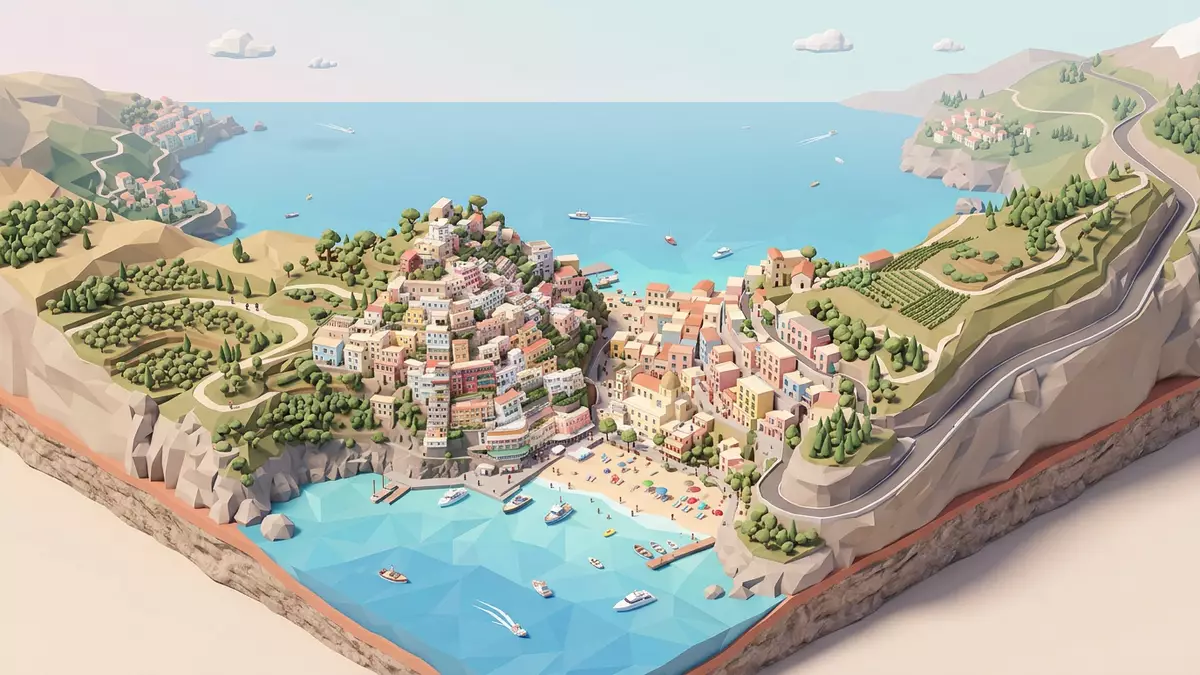
Positano rises in layers above the Tyrrhenian Sea, with pastel buildings spread across steep limestone slopes. Streets, stairways and terraces connect the hillside town with Spiaggia Grande and the Church of Santa Maria Assunta.
Positano’s houses climb the Lattari slopes
Positano is a coastal town in Campania, within the Province of Salerno, on the Amalfi Coast south of Naples. Its buildings occupy the sides of a narrow valley that opens towards the sea, creating a settlement viewed from below as a sequence of walls, roofs, balconies and planted terraces.
The town’s vertical form is inseparable from its limestone setting. Narrow lanes run between white, ochre and rose-coloured façades, while stairways connect upper neighbourhoods with the waterfront. The Amalfi Coast, including Positano, forms part of a UNESCO World Heritage landscape recognised for its scenery and historic settlements.
From Roman villas to the Amalfi maritime world
Roman aristocrats established holiday residences along the coast, and archaeological remains beneath the centre connect Positano with the Roman period. A Roman villa near the Church of Santa Maria Assunta forms part of the town’s archaeological identity.
The settlement developed through medieval links with the Duchy of Amalfi. A Benedictine foundation is associated with the Church of Santa Maria Assunta, whose origins reach the tenth century. Positano became a port and trading centre during the maritime history of Amalfi, with fortified walls and coastal watchtowers recording the dangers faced by communities along the shore.
The town’s history also includes fishing, seafaring and coastal trade. A history of fishing and seafaring remains visible in the relationship between the beach, the harbour area and the houses above them.
Santa Maria Assunta and the beaches below
The Church of Santa Maria Assunta stands beside the central piazza and close to Spiaggia Grande. Its majolica-covered dome forms a strong focal point among the surrounding buildings, while the interior combines white and gold decoration with Baroque and Neoclassical elements.
Spiaggia Grande forms the principal waterfront space beneath the town. The beach consists of sand and shingle, with the marina area beside it. Fornillo lies along the coast beyond the central beach, reached by a coastal path. The Roman Archaeological Museum occupies part of the villa complex beneath the church.
Positano’s visual character comes from the meeting of these elements: a steep settlement, a narrow strip of shore, coloured ceramic, pale plaster and open sea. The town is not arranged around a broad level centre. Its streets and stairways remain part of the built landscape, linking the upper slopes with the waterfront.
Visiting Positano: what travellers from Western Europe should know
- Positano lies on the Amalfi Coast in Campania, south of Naples, and is reached by coastal road, regional bus services and sea transport from ports along the Bay of Naples and the Amalfi Coast.
- The town occupies steep slopes. Movement between the upper streets, the central piazza and Spiaggia Grande involves stairways and inclined lanes.
- Spiaggia Grande lies beneath the historic centre, while Fornillo is reached along the coast by a pedestrian route.
- The official language is Italian and the currency is the euro.
Searching for Positano on social platforms
These links open searches for Positano on each platform.
Frequently asked questions about Positano
Where is Positano?
Positano is on the Amalfi Coast in Campania, southern Italy. The town faces the Tyrrhenian Sea and belongs to the Province of Salerno.
What can travellers expect in Positano?
The town combines steep lanes, stairways, terraces, beaches, churches and sea views. Spiaggia Grande and the Church of Santa Maria Assunta form the central waterfront landmarks.
What makes Positano distinctive?
Its buildings descend across limestone slopes in a vertical arrangement above the sea. The majolica dome, Roman archaeological remains and narrow coastal setting add historical layers to the hillside town.


