Recife Antigo: the historic waterfront quarter of Recife
Published on 08/06/2026 at 22:28 | Editorial responsibility: Rafael Müller, Editor-in-Chief AD HOC NEWS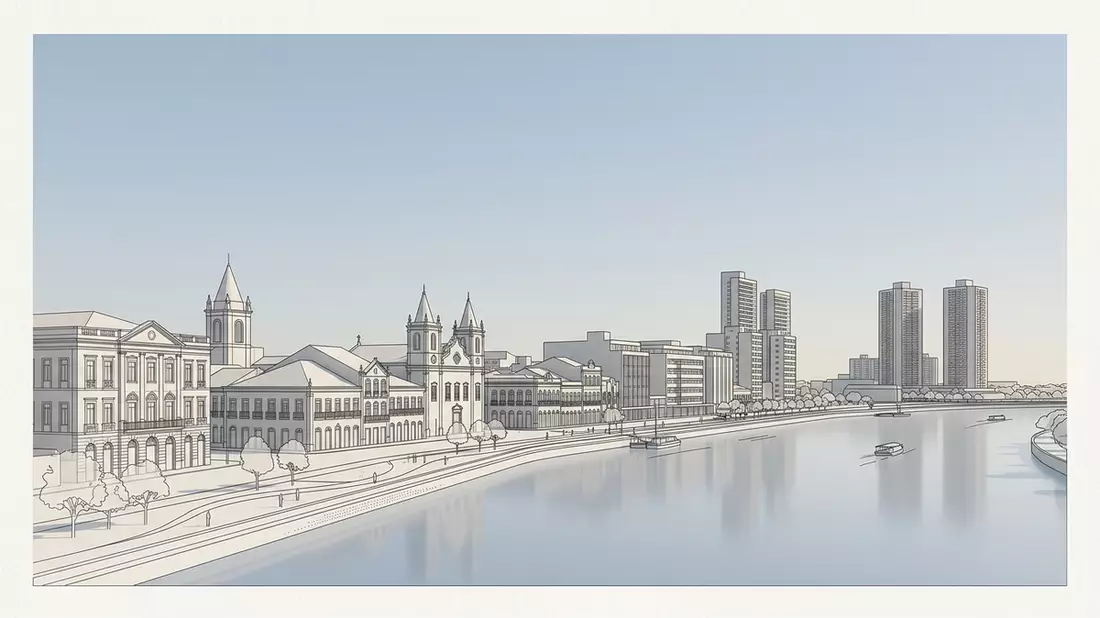
Recife Antigo is the historic core of Recife, the port city on Brazil’s north?eastern Atlantic coast, laid out along a narrow waterfront island between river and ocean. Its streets still follow the colonial pattern established under Portuguese rule, with churches, civic buildings and merchants’ houses grouped close to the docks that linked Recife to transatlantic trade. Visitors find a compact district of cobbled lanes, painted façades and former port warehouses that now serve cultural and social life.
From colonial port to riverside city quarter
The history of Recife Antigo starts in the seventeenth century, when the Portuguese Crown encouraged port development along the estuary of the Capibaribe River to serve the sugar plantations of Pernambuco. Early town planning concentrated on the natural harbour and the island frontage, creating a dense cluster of stone churches, administrative buildings and trading houses facing the quays. Over the eighteenth and nineteenth centuries, Recife grew into one of Brazil’s principal ports, and Recife Antigo remained the centre of customs, shipping offices and overseas commerce.
Several buildings in Recife Antigo date from this colonial and imperial era, including baroque and neoclassical churches and bank headquarters erected along the main streets. The façades typically combine stucco, balconies and shuttered windows, painted in strong colours that stand out against the tropical light. Later additions from the late nineteenth and early twentieth centuries introduced eclectic and art?nouveau details, reflecting Recife’s place in wider architectural trends across Brazil. Together these structures form a continuous streetscape that records the city’s transition from colonial settlement to modern port.
Street life, culture and repurposed warehouses
Recife Antigo today is known for its concentration of cultural venues that occupy former commercial buildings close to the water. Old warehouses and dockside offices house galleries, music spaces and craft shops, while ground?floor units along the main streets are given over to cafés and restaurants. This change of use has kept the historic structures in active service, with iron columns, timber roofs and brickwork preserved as part of the interior character. On certain days the streets around the central squares are lined with stalls selling local handicrafts and regional food, making the district a focal point for events in Recife.
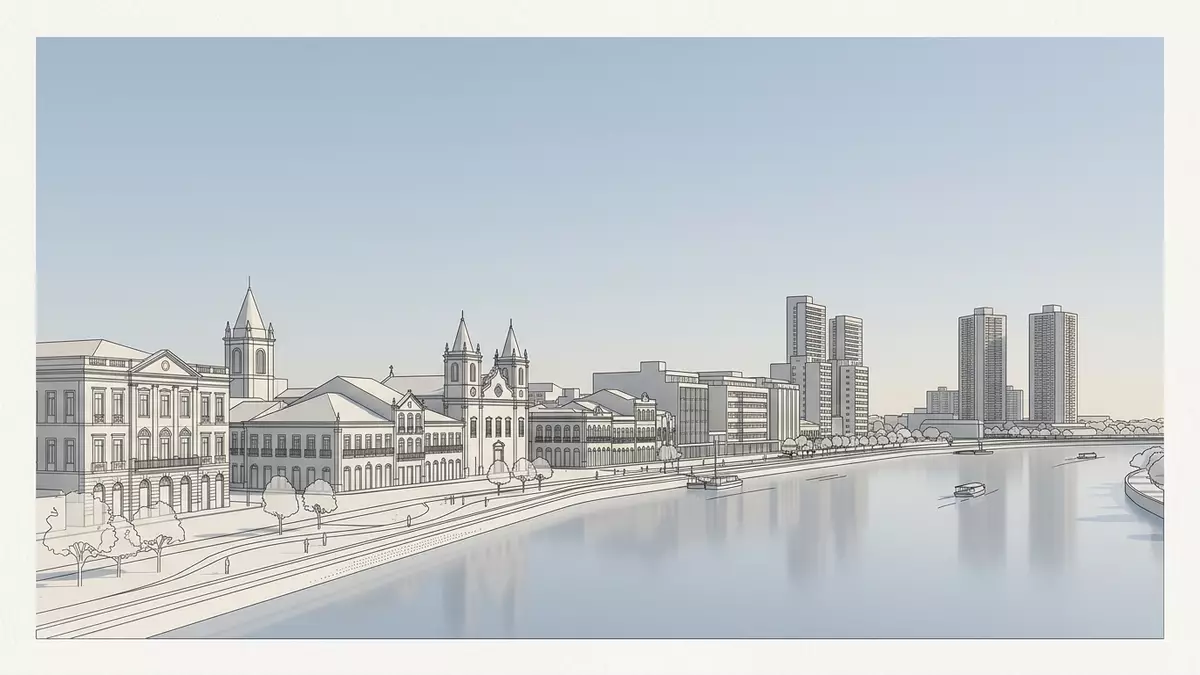
Public squares and promenades along the riverfront provide open space between the dense blocks of historic buildings. From these walkways visitors can see the harbour installations and the broader skyline of Recife, with taller modern buildings rising beyond the older quarter. The contrast between the low, colourful houses of Recife Antigo and the high?rise developments on the mainland illustrates how the city has expanded inland from its port origins. At the same time, the continued use of Recife Antigo for leisure and culture underscores its role as a living district rather than a static monument.
Architecture, churches and maritime setting
One of the reasons travellers seek out Recife Antigo is the variety of religious and civic architecture housed within a small area. Historic churches with ornate altars stand close to former bank buildings with classical columns and pediments, while municipal structures show the influence of European styles adapted to local conditions. The materials range from stone and brick to plastered masonry, often topped by tiled roofs suited to the coastal climate. Many façades feature pilasters, cornices and decorative reliefs, offering numerous details for visitors interested in architectural history.
The maritime setting defines the atmosphere of Recife Antigo. The district is surrounded on several sides by water, with the river channels and harbour basins forming natural boundaries. Bridges link the island to the rest of Recife, and from many streets there are glimpses of ships, cranes and moored vessels. The level terrain and relatively short distances between landmarks make it possible to explore on foot, moving between churches, squares and quays without long climbs. This proximity of port infrastructure, civic architecture and everyday street life gives Recife Antigo its particular character as a waterfront quarter rooted in centuries of trade.
Visiting Recife Antigo: what travellers from Western Europe should know
- Recife Antigo forms part of the city of Recife on Brazil’s north?eastern coast and is reached from Recife by road, with bridges linking the historic island quarter to other neighbourhoods.
- Admission arrangements and opening hours are set by the site’s operator and change with the season; the official website is the only binding source.
- The coastal location means warm temperatures for much of the year; many visitors choose times of day when the light is softer and the streets are more comfortable to walk.
- The district itself is largely flat, but historic streets may have cobbles and uneven paving, and some churches and upper floors are accessed by staircases; restrictions may apply on site.
- Portuguese is the main language, and card payments are widely accepted in urban Brazil; travellers may find basic English in some venues, but simple Portuguese phrases are useful.
- Entry requirements depend on your nationality. UK travellers should check the FCDO travel advice at gov.uk/foreign-travel-advice; Irish travellers the Department of Foreign Affairs at ireland.ie; EU and EEA citizens their own national foreign ministry.
Searching for Recife Antigo on social platforms
These links open searches for Recife Antigo on each platform.Frequently asked questions about Recife Antigo
Where is Recife Antigo located?
Recife Antigo occupies a waterfront island and adjacent streets within the city of Recife on Brazil’s north?eastern Atlantic coast.
What can visitors expect on a visit to Recife Antigo?
Visitors can walk through historic streets lined with colonial and later buildings, explore churches and cultural venues, and enjoy views of the harbour and river.
What makes Recife Antigo distinctive among Brazilian city quarters?
The combination of centuries?old port architecture, riverside setting and concentration of repurposed warehouses and cultural spaces within a compact island district gives Recife Antigo its character.