
Reichstagsgebaude and its glass dome in Berlin
Published on 09/24/2026 at 01:39 | Editorial responsibility: Rafael Müller, Editor-in-Chief AD HOC NEWS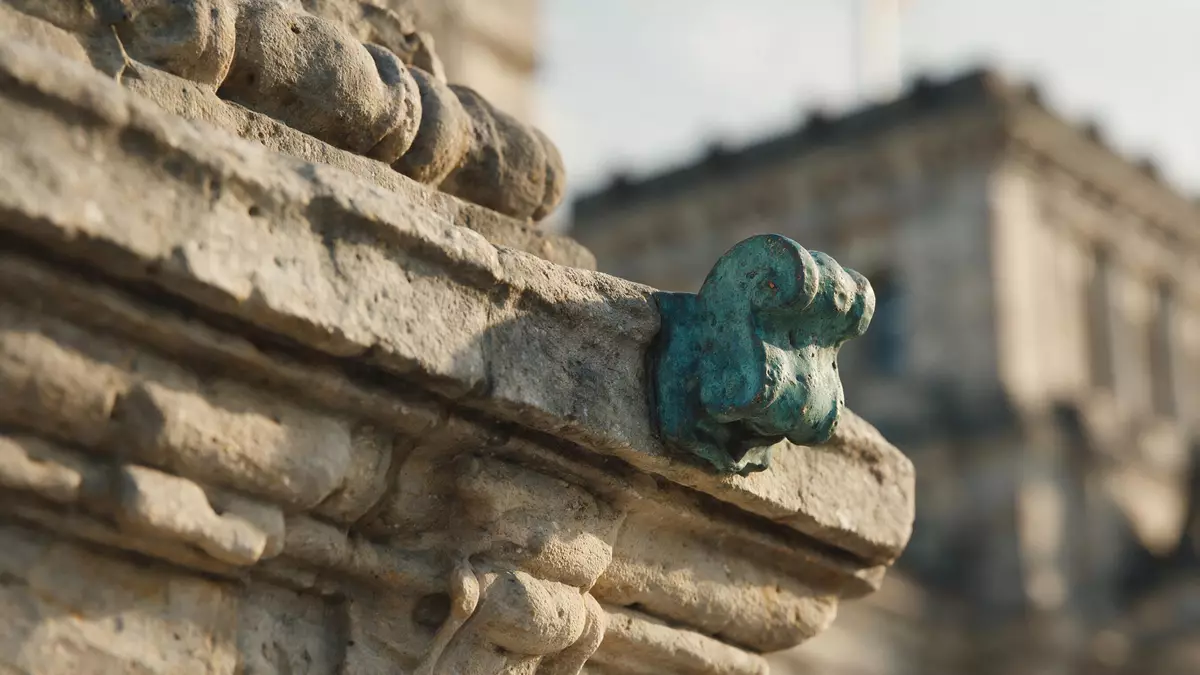
Reichstagsgebaude rises beside the Spree at Platz der Republik in Berlin, with a nineteenth-century stone façade and a glass dome above its parliamentary interior. The contrast between the Neo-Renaissance building by Paul Wallot and Norman Foster’s late twentieth-century intervention defines the landmark.
Reichstagsgebaude: a parliament building with two architectural eras
Construction began in 1884, and the building was completed in 1894. Paul Wallot created a Neo-Renaissance design with a monumental façade, sculptural decoration and a prominent central dome. The building housed the Reichstag of the German Empire and the parliament of the Weimar Republic.
The inscription “Dem Deutschen Volke” appears above the main entrance. Its words identify the building with the German people, while the parliamentary use connects the architecture with Germany’s political history. The Reichstag fire of 1933 and the destruction of the Second World War form part of that history, although the visible building also carries traces of reconstruction and adaptation.
Paul Wallot’s façade and the Reichstag’s political history
Reichstagsgebaude served as the seat of the German parliament from 1894 until 1933. The building then passed through periods of damage, limited use and reconstruction before its parliamentary role returned to Berlin.
The German reunification of 1990 changed the building’s political setting. The Bundestag resolved to return to Berlin, and Reichstagsgebaude became the permanent seat of the federal parliament. the building’s parliamentary history connects the German Empire, the Weimar Republic and the Federal Republic of Germany.
Norman Foster’s glass dome above the plenary chamber
Norman Foster directed the late twentieth-century conversion of Reichstagsgebaude. The work was completed in 1999, and the Bundestag held its first session in the renovated building on 19 April of that year.
The glass dome forms the clearest visual contrast with Wallot’s historic masonry. It rises above the roof as a transparent structure, with a public walkway around a central light element above the plenary chamber. The dome measures about 40 metres in diameter and 23.5 metres in height. the glass dome’s dimensions give the upper part of the building a scale distinct from the older façade.
Reichstagsgebaude therefore presents architecture as a sequence of historical layers. Wallot’s nineteenth-century exterior, the inscription above the entrance, the scars of political conflict and Foster’s glass addition belong to one building.
Visiting Reichstagsgebaude: what travellers from Western Europe should know
- Reichstagsgebaude stands at Platz der Republik beside the Spree. Berlin Hauptbahnhof lies nearby, and the area is served by Berlin’s rail and urban transport network.
- The dome is reached through the building’s visitor route and includes a sloping walkway. The visit involves movement through a substantial public building rather than a conventional museum gallery.
- The surrounding government quarter includes the Brandenburg Gate, the Bundeskanzleramt and the Tiergarten. The Spree runs along the northern side of the parliamentary district.
- Berlin is in Germany. German is the official language, and the currency is the euro.
Searching for Reichstagsgebaude on social platforms
These links open searches for Reichstagsgebaude on each platform.Frequently asked questions about Reichstagsgebaude
Where is Reichstagsgebaude?
Reichstagsgebaude stands at Platz der Republik in Berlin’s parliamentary quarter, beside the Spree and near the Brandenburg Gate.
What can visitors expect inside?
The building combines historic parliamentary rooms with a glass dome by Norman Foster. The dome includes a public walkway above the plenary chamber.
What makes Reichstagsgebaude distinctive?
Its Neo-Renaissance façade by Paul Wallot and its modern glass dome belong to different architectural eras. Their combination is the defining feature of the Berlin landmark.


