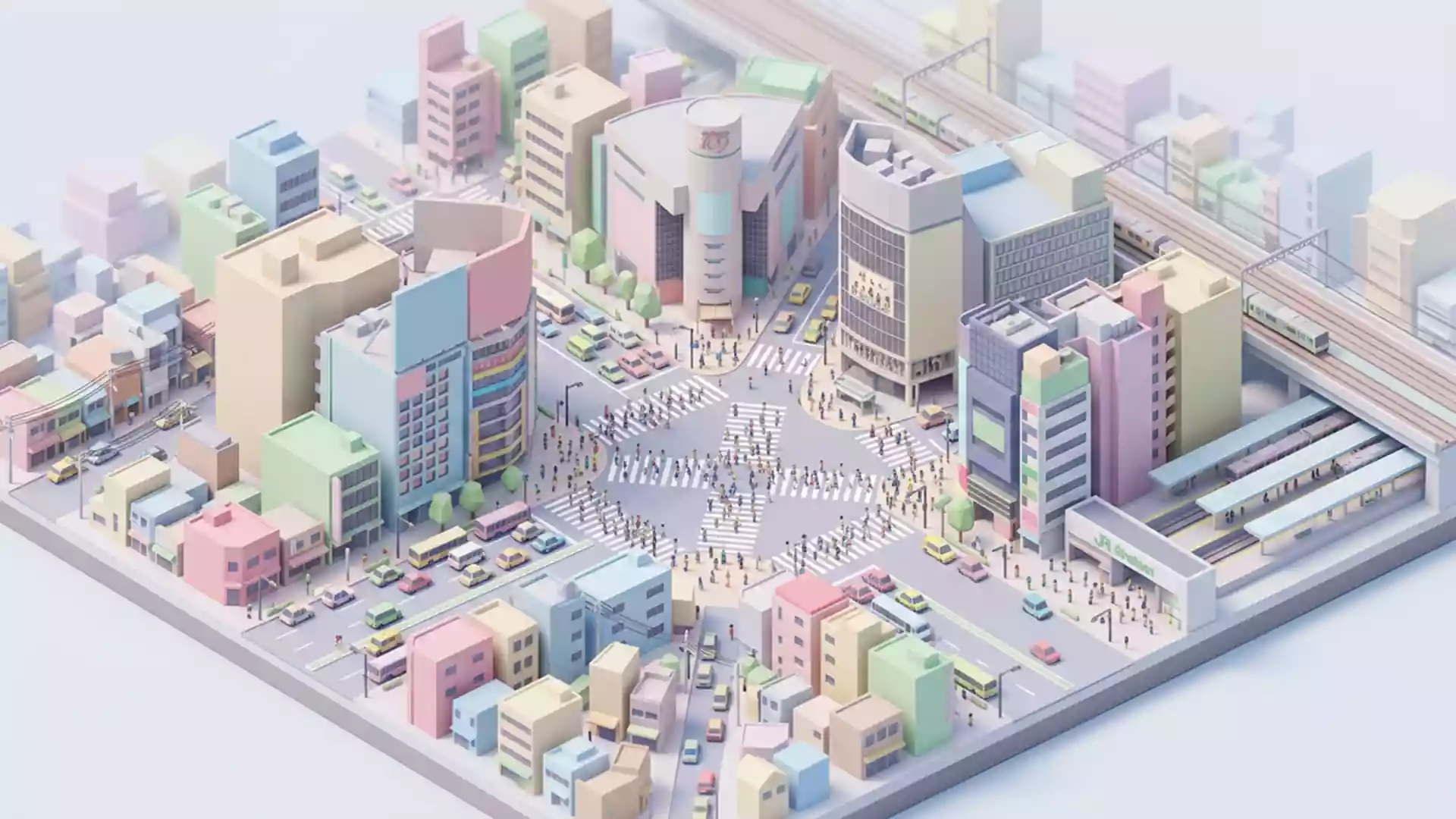
Shibuya Scramble Crossing and the choreography of crowds in Tokyo
Published on 09/03/2026 at 07:47 | Editorial responsibility: Rafael Müller, Editor-in-Chief AD HOC NEWS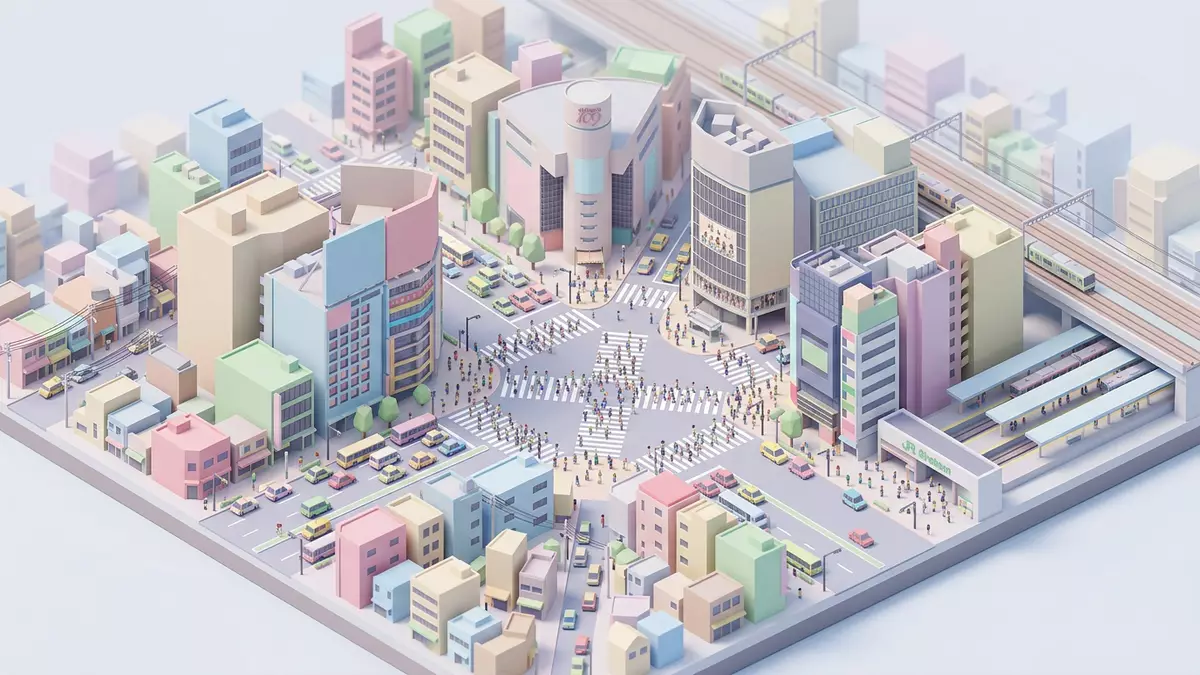
Shibuya Scramble Crossing in Tokio is the pedestrian intersection where Tokyo’s urban energy becomes visible in a single movement, as traffic stops and people stream across from every side. Set at the Hachik? exit of Shibuya Station in the Shibuya ward of Tokyo, it has grown since the twentieth century into a symbol of Japan’s capital through countless photographs and film scenes.
A scramble of people and light
At street level Shibuya Scramble Crossing is a broad junction where several zebra crossings meet in front of Shibuya Station, linking pavements lined with shops, cafés and station entrances. Vehicles halt in all directions at a red signal and pedestrians move at once, not only straight ahead but diagonally, turning the carriageway for a short phase into shared walking space.scramble crossing in Shibuya The effect is a coordinated surge: commuters heading for trains, shoppers bound for nearby malls and visitors pausing to take photographs all weave past one another without contact.
The crossing sits beneath a ring of large advertising screens and illuminated signs mounted on nearby buildings, which have made the scene widely recognisable even to those who have never visited. Two of the most prominent backdrops are the Shibuya 109 fashion building and the fronts of multi-storey commercial blocks facing the junction.large video screens and Shibuya 109 Overhead, elevated structures from the station complex and neighbouring towers frame the open space, so that the view from the pavement or from higher levels takes in several layers of city life at once.
From railway stop to global image
Shibuya’s transformation into a busy transport hub began with the opening of Shibuya Station in 1885, when it formed part of a line that is now the JR Yamanote Line encircling central Tokyo.Shibuya Station opened in 1885 As more railway and metro lines were added through the twentieth century, the area around the station developed into a dense commercial district of department stores, smaller shops and entertainment venues.transportation hub in Shibuya The intersection in front of the main entrances followed this growth, becoming a multi-directional pedestrian junction as streets carried ever more foot traffic.
Shibuya Scramble Crossing in its present pedestrian-heavy form is associated with the late twentieth century, when televised images and films began to use it as shorthand for Tokyo itself. The crossing has appeared in international cinema, including scenes in “Lost in Translation” and other productions that place characters amid the flow of people and light.Shibuya Crossing in films These repeated uses have turned an everyday urban space into a recognisable motif: aerial shots from surrounding buildings and ground-level images from the kerb show the same interplay of pedestrians, markings and illuminated façades.
Landmarks around the intersection
Standing at Shibuya Scramble Crossing, several named sites lie within a short walk. Immediately beside the junction is Hachik? Square, with a bronze statue commemorating Hachik?, the Akita dog known for waiting for his owner at Shibuya Station for years in the 1920s and early 1930s.bronze statue of Hachiko The statue has become a well-used meeting point, so that the flow of people at the crossing includes groups arriving or departing from this small plaza.
Above the station complex rises Shibuya Scramble Square, a tall mixed-use tower whose SHIBUYA SKY observation deck offers panoramic views across Tokyo.Shibuya Scramble Square and SHIBUYA SKY From its upper levels the crossing appears as a patterned patch in the street grid, where coloured lights, vehicle lanes and pedestrian movements form a shifting design. Other nearby landmarks include Shibuya Hikarie, an office and shopping tower on one side of the station, and the entrances to Shibuya Center Gai, a narrow shopping and entertainment street that begins across the road from the station end of the crossing.Shibuya Sky and Center Gai Together these buildings and streets make the junction a central point in the wider Shibuya district.
Visiting Shibuya Scramble Crossing: what travellers from Western Europe should know
- Shibuya Scramble Crossing lies in front of Shibuya Station in the Shibuya ward of Tokyo, at the Hachik? exit served by JR and Tokyo Metro lines.
- The approaches to the crossing are level, with kerbs cut for wheelchairs and prams, and wide pavements connecting directly to station entrances and nearby shopping streets.
- The official language is Japanese and the currency is the Japanese yen.
- Entry requirements depend on your nationality; UK travellers can check the FCDO travel advice at gov.uk/foreign-travel-advice, Irish travellers the Department of Foreign Affairs at ireland.ie.
Searching for Shibuya Scramble Crossing on social platforms
These links open searches for Shibuya Scramble Crossing on each platform.
Frequently asked questions about Shibuya Scramble Crossing
Where is Shibuya Scramble Crossing located in Tokio?
Shibuya Scramble Crossing is at the Hachik? exit of Shibuya Station in the Shibuya ward of Tokyo, surrounded by commercial buildings and shopping streets.
What should visitors expect when they arrive at the crossing?
Visitors encounter a busy multi-directional pedestrian junction, with people crossing from several sides at once under large illuminated screens and advertising signs.
What makes Shibuya Scramble Crossing distinctive among Tokyo’s intersections?
The crossing is distinctive for its scramble phase, where pedestrians move simultaneously in several directions, and for its association with nearby landmarks such as Hachik? Square and Shibuya Scramble Square.