
Star Ferry and the harbour crossing that defines Hongkong
Published on 08/29/2026 at 09:16 | Editorial responsibility: Rafael Müller, Editor-in-Chief AD HOC NEWS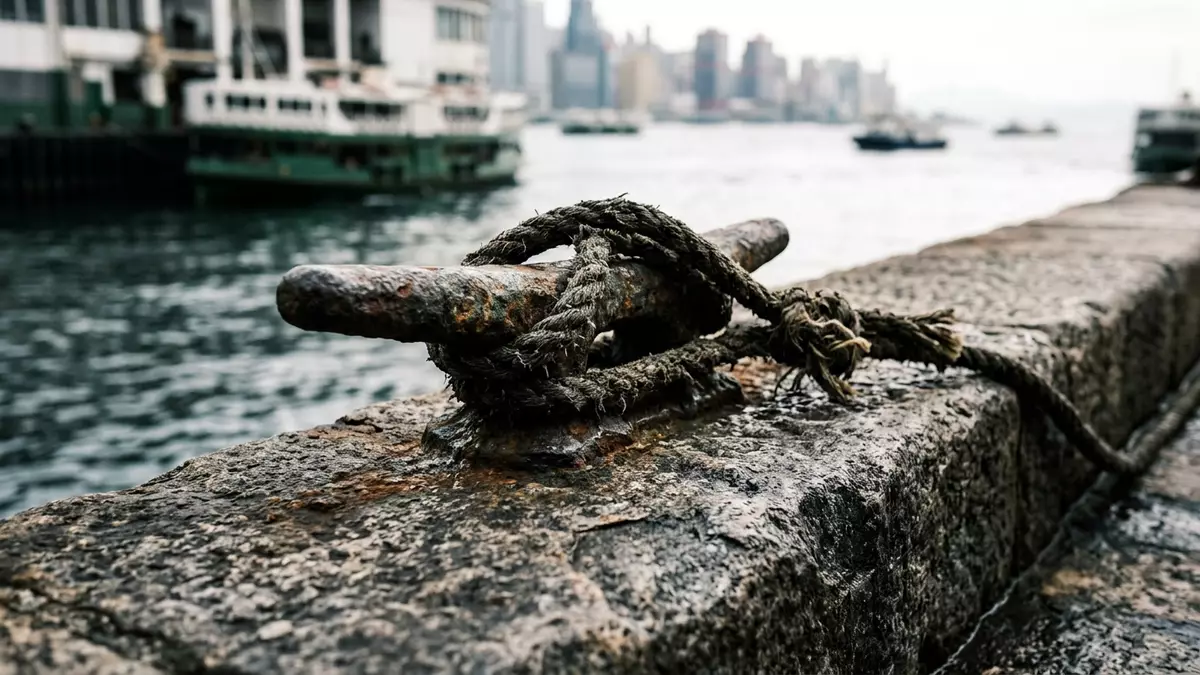
Star Ferry crosses Victoria Harbour between Hongkong Island and Kowloon, linking two waterfronts with a service that began under Dorabjee Naorojee Mithaiwala in the nineteenth century. The name belongs to a crossing as much as to a company, and the harbour itself is the setting.
Star Ferry across Victoria Harbour
The crossing is inseparable from the water it spans. The ferries move between Central on Hongkong Island and Tsim Sha Tsui in Kowloon, the two shores that define the service’s identity.
The company traces its origins to the Kowloon Ferry Company, founded in 1888 by Dorabjee Naorojee Mithaiwala. The present name dates from 1898, when the business became The “Star” Ferry Company Limited, and the ferries kept the star theme in the fleet.
The service remains tied to the harbour-front geography of the city. That is visible in the way the terminals face one another across the water, rather than sitting in an inland transport hub.
The piers and terminals at both ends
The best-known terminals are the Central Star Ferry Pier and the Tsim Sha Tsui Star Ferry Pier. The Central pier stands at Central Pier 7, while the Kowloon side faces Salisbury Road in Tsim Sha Tsui.
The present Central pier opened in 2006 and recalls earlier ferry architecture through a clock tower and a waterfront profile. The Tsim Sha Tsui pier took its present form in 1957, after earlier generations of piers on the same side of the harbour.
These ferry buildings are part of Hongkong’s everyday transport landscape. They are also among the clearest places in the city from which to read the relation between harbour, promenade and urban frontage.
A service with a long public life
Star Ferry is more than a transport line; it is a working remnant of Hongkong’s harbour culture. The company’s history is tied to the growth of cross-harbour movement between the island and the Kowloon peninsula.
The service became especially significant in the late nineteenth and early twentieth centuries, when the harbour crossing was central to daily movement. Its continuing role keeps that older structure of the city legible in everyday use.
The company name, the harbour route and the preserved terminals all belong to the same story. Together they make Star Ferry a place where transport history remains visible at street level.
Visiting Star Ferry: what travellers from Western Europe should know
- The main crossings run between Central and Tsim Sha Tsui, with the terminals on Victoria Harbour in Central and along Salisbury Road in Kowloon.
- The terminals, piers and open-water crossing are the main features to notice. The route is short and direct, with the harbour and the skyline as the central elements.
- The official language is Cantonese and the currency is the Hong Kong dollar.
- Entry requirements depend on your nationality; UK travellers can check the FCDO travel advice at gov.uk/foreign-travel-advice, Irish travellers the Department of Foreign Affairs at ireland.ie.
Searching for Star Ferry on social platforms
These links open searches for Star Ferry on each platform.
Frequently asked questions about Star Ferry
Where is Star Ferry?
Star Ferry crosses Victoria Harbour between Central on Hongkong Island and Tsim Sha Tsui in Kowloon. Its terminals face each other across the water.
What does a visit involve?
The experience is a harbour crossing with piers, open water and views of the city frontages. The terminals connect directly with the waterfront areas at both ends.
What makes Star Ferry distinctive?
Its identity comes from the combination of a long-operating harbour service, named ferry terminals and a crossing that remains part of Hongkong’s daily transport landscape.


