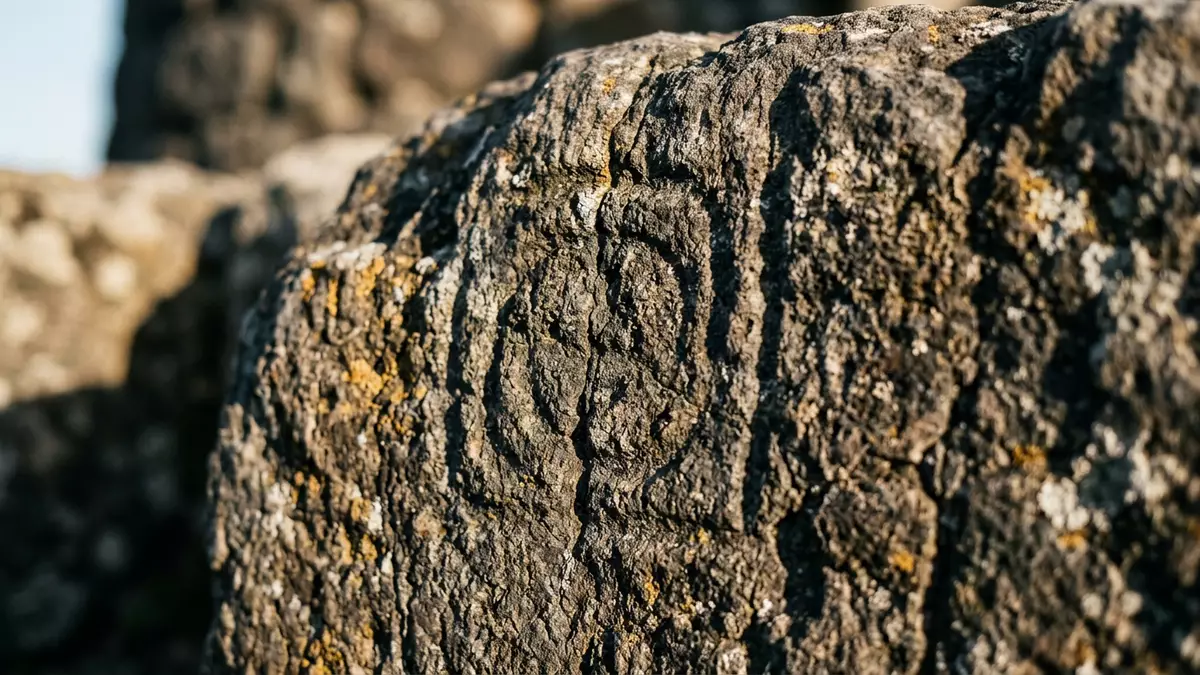
Su Nuraxi and the ring of Nuragic stone in Barumini
Published on 08/09/2026 at 15:04 | Editorial responsibility: Rafael Müller, Editor-in-Chief AD HOC NEWS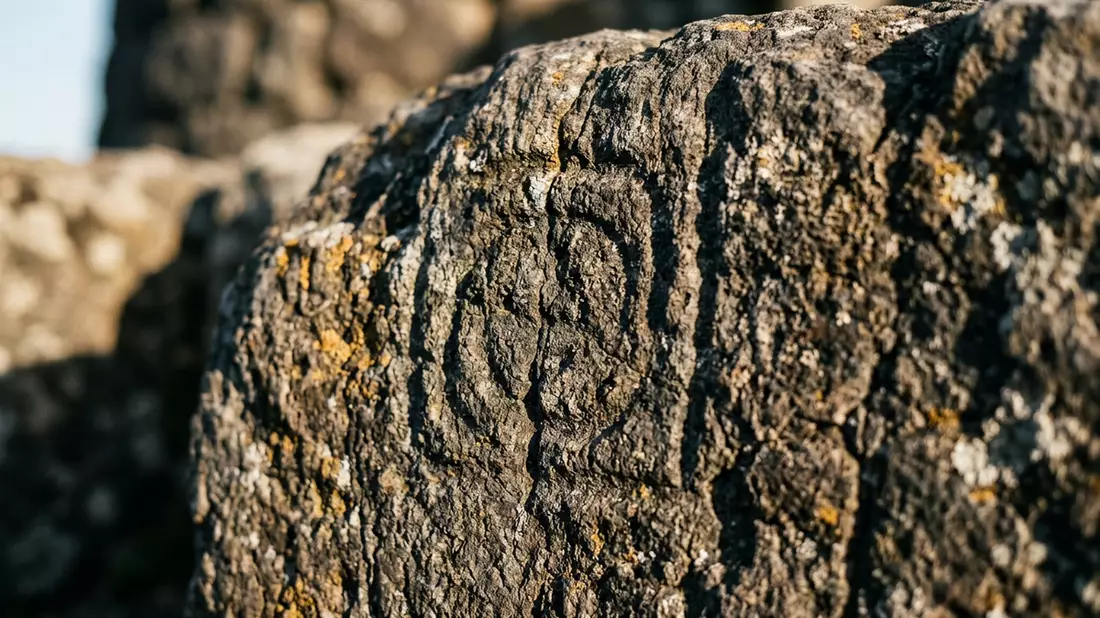
Su Nuraxi in Barumini is the best-known Nuragic complex in Sardinia, and its stone towers make the site feel compact and deliberate. The core of the place dates to the Bronze Age, with work associated with the Nuragic civilisation and the second millennium BC.
Stone towers in the Sardinian landscape
The complex is built from basalt blocks and centres on a tall tower with surrounding towers and walls. That mass of masonry gives the site a dense, low profile that contrasts with the open fields around Barumini.
The main tower, the adjoining bastions and the later village remains create a layered plan that can be read in stone. Visitors see thick walls, narrow passages and enclosed courts rather than a decorative facade.
Nuragic building and later use
The Nuragic culture left thousands of towers across Sardinia, but Su Nuraxi is among the most studied examples. Its earliest phases belong to the Bronze Age, and the complex was altered over generations as new structures were added beside the central tower.
The settlement includes domestic remains as well as defensive architecture. That mix shows a place that served both as a stronghold and as a lived-in community, with walls, rooms and shared spaces close together.
Barumini and the wider Nuragic world
Barumini lies in central-southern Sardinia, where Nuragic monuments are a defining part of the archaeological landscape. Su Nuraxi is linked to that wider world through its masonry style, its tower form and its place in the island's prehistoric record.
The site is also a reminder that Sardinia's prehistoric architecture can be monumental without relying on stone carving or ornament. The effect comes from mass, repetition and the survival of the structure itself.
Visiting Su Nuraxi: what travellers from Western Europe should know
- Barumini is reached from Cagliari by road.
- Admission arrangements and opening hours are set by the site's operator and change with the season; the official website is the only binding source.
- Spring and autumn offer the most comfortable conditions for exploring an outdoor archaeological site in Sardinia.
- The ground includes stone surfaces, uneven paths and archaeological remains, so sturdy footwear is sensible.
- Italian is the local language, and card payment is often accepted, though carrying some cash is practical.
- Entry requirements depend on your nationality. UK travellers should check the FCDO travel advice at gov.uk/foreign-travel-advice; Irish travellers the Department of Foreign Affairs at ireland.ie; EU and EEA citizens their own national foreign ministry.
Searching for Su Nuraxi on social platforms
These links open searches for Su Nuraxi on each platform.
Frequently asked questions about Su Nuraxi
Where is Su Nuraxi?
Su Nuraxi is in Barumini, in central-southern Sardinia in Italy. It sits in a rural landscape shaped by fields and low hills.
What should visitors expect?
Expect an archaeological site with stone towers, walls and uneven ground. The experience is focused on the remains themselves rather than on display objects.
What makes it distinctive?
Its combination of a central tower, surrounding structures and a Nuragic village gives it unusual depth. The masonry is the main attraction, and the plan is legible on foot.