Sun alignment at Abu Simbel drew visitors on 22 October
Published on 10/24/2026 at 17:45 | Editorial responsibility: Rafael Müller, Editor-in-Chief AD HOC NEWSSolar alignment and heritage
- The 22 October 2026 alignment drew visitors under Aswan Governor Amr Lashin.
- Six folk-art troupes performed during the General Authority for Cultural Palaces programme.
- UNESCO added the Nubian Monuments from Abu Simbel to Philae to the World Heritage List in 1979.
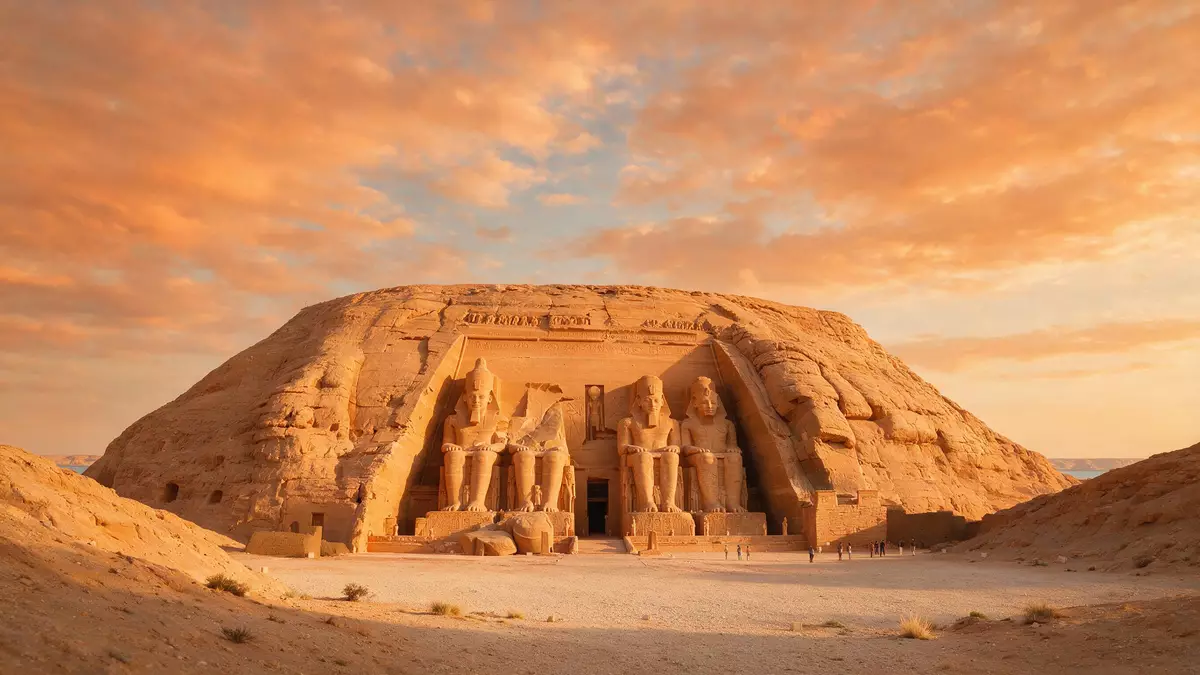
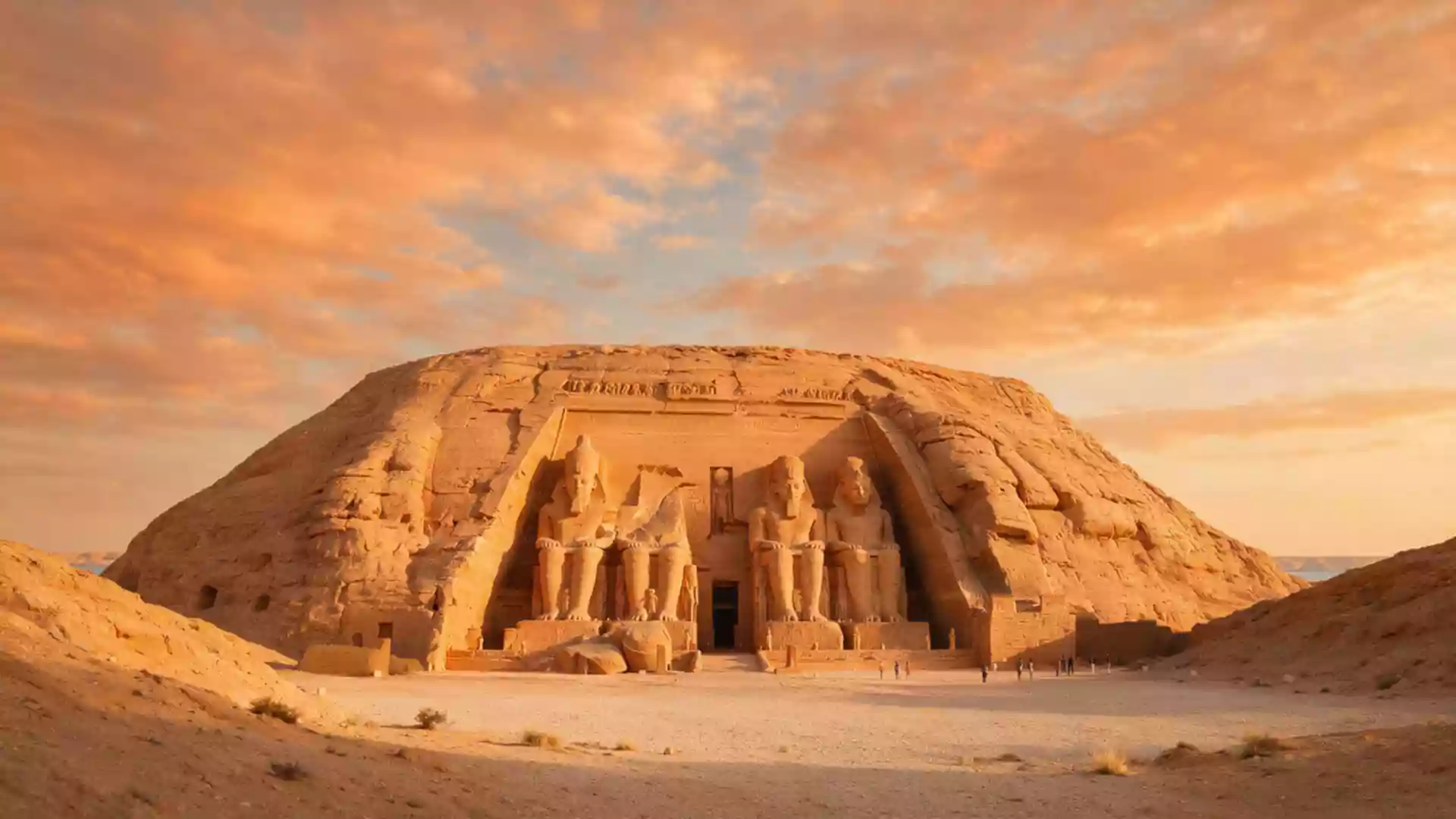
Abu Simbel and its sun alignment drew visitors to the temples in Egypt on 22 October 2026. The event took place at the Great Temple of Ramses II, where sunlight reached the inner sanctuary during the twice-yearly phenomenon.
The site is in the town of Abu Simbel in Aswan Governorate, near Egypt's southern border. The temples are also known for surviving the creation of Lake Nasser through an international rescue operation.
Sun alignment at Abu Simbel drew visitors on 22 October
About 7,000 tourists watched the alignment on 22 October, according to Ahram Online's event report. The newspaper cited Aswan Governor Amr Lashin, who said that sunlight travelled about 60 m (197 ft) through the temple hall before reaching the sanctuary.
The light illuminated three of the four seated statues: Ramses II, Amun-Re and Re-Horakhty. The statue of Ptah remained in shadow, while the reported alignment lasted about 20 minutes.
The General Authority for Cultural Palaces ran a festival from 17 to 22 October, with six Egyptian folk-art troupes performing. A large screen outside the temple hall allowed visitors to follow the alignment from the grounds, while designated gates and routes managed entry and exit.
How the 1968 relocation preserved the temple alignment
The Great Temple was carved from solid rock in the thirteenth century BCE and is fronted by four colossal statues of Ramses II, each 21 m (69 ft) high. The solar alignment links the October event to the temple's central axis and inner sanctuary.
The temples faced submersion after construction of the Aswan High Dam raised the waters of Lake Nasser. UNESCO records that workers cut the structures into more than 1,000 blocks and rebuilt them within an artificial cliff 64 m (210 ft) above the former site and 180 m (591 ft) inland.
The new location was inaugurated on 22 September 1968. The two temples at Abu Simbel form part of the Nubian Monuments from Abu Simbel to Philae, which has been on the UNESCO World Heritage List since 1979, as described in UNESCO's account of the rescue. The 2026 alignment therefore connected a current public event with a monument whose present setting is the result of a major twentieth-century conservation project.
Visiting Abu Simbel: what travellers from Western Europe should know
- The sun alignment took place on 22 October 2026 at the Great Temple of Ramses II in Abu Simbel.
- The General Authority for Cultural Palaces festival ran from 17 to 22 October, and the reported visitor routes included designated gates around the temple area.
- Abu Simbel is in Aswan Governorate in southern Egypt, and the event report records arrivals through Abu Simbel airport.
- The Great Temple's 60 m (197 ft) axis leads to the inner sanctuary, where three statues were illuminated during the event.
Searching for Abu Simbel on social platforms
These links open searches for Abu Simbel on each platform.
Frequently asked questions about Abu Simbel
When did the sun alignment take place at Abu Simbel?
The 2026 alignment took place on 22 October 2026 at the Great Temple of Ramses II. The next annual alignment is associated with 22 February.
What is Abu Simbel?
Abu Simbel is a complex of two rock-cut temples, including the Great Temple of Ramses II and the smaller temple of Nefertari. The complex forms part of the World Heritage site inscribed in 1979.
Where is Abu Simbel and how do you get there?
Abu Simbel is in Aswan Governorate in southern Egypt. The 22 October report recorded arrivals through Abu Simbel airport and organised routes around the temple area.