
Takayama Jinya preserves an Edo government complex
Published on 09/23/2026 at 16:48 | Editorial responsibility: Rafael Müller, Editor-in-Chief AD HOC NEWS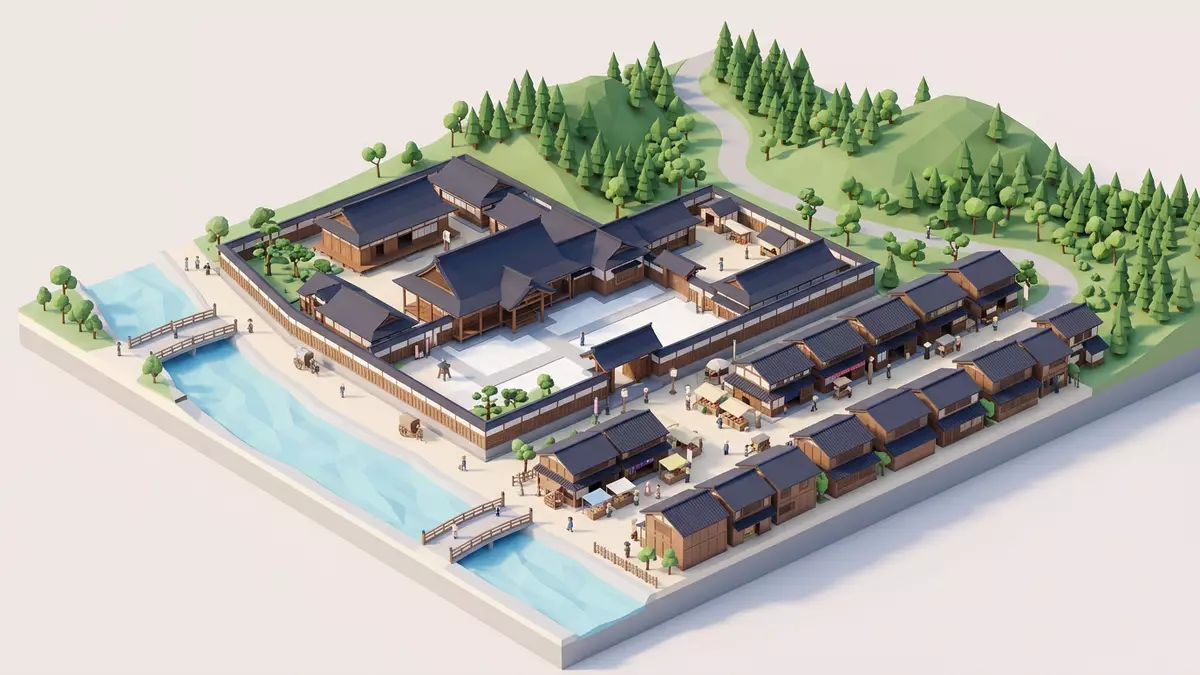
Takayama Jinya is a timber government complex in Takayama, Japan, where administrative rooms, living quarters and storehouses form a preserved Edo-period ensemble. Established in 1692 under the Tokugawa shogunate, it presents government as a sequence of wooden halls rather than a single monumental building.
Takayama Jinya and the government of Hida
In 1692, the Edo Shogunate placed Hida Province under direct rule and established a government office in Takayama. The complex served as the workplace of provincial governors and magistrates, whose responsibilities included administration, policing and justice.
The Edo-period government office remained connected with shogunal administration from 1692 until 1868. Twenty-five generations of officials carried out their duties there during 176 years of Tokugawa rule in Hida.
Timber halls, tatami rooms and official space
The complex is arranged around low wooden buildings with tatami-floored rooms, timber corridors and working spaces. Its architecture places formal reception rooms beside offices, residential quarters and areas associated with judicial administration.
The surviving rooms show different levels of official life. Raised floors, sliding screens, exposed timber and restrained decoration distinguish spaces used for government business from rooms connected with residence. The buildings are read through their arrangement as much as through individual details.
The Edo-period rice granary is part of the site’s architectural character. Its thick earthen walls and timber construction identify it as a storehouse, separate from the administrative and residential buildings.
From shogunal office to historic museum
Takayama Jinya continued as a government office after the end of the shogunate. Official use continued until 1969, when the complex was decommissioned after serving successive administrative functions.
Restoration returned the main buildings to an Edo-period appearance, and the site became a museum presenting the rooms and objects connected with Hida’s administration. Maps, documents, plans and furnishings give the wooden interiors a documentary role.
The complex received designation as a National Historic Site in 1929. Its importance lies in the combination of preserved buildings, official layout and a direct association with the Tokugawa system of provincial government.
Takayama’s historic government house remains part of the city’s cultural landscape in Hachikenmachi, close to the traditional centre of Takayama.
Visiting Takayama Jinya: what travellers from Western Europe should know
- Takayama Jinya stands in Hachikenmachi in central Takayama, Gifu Prefecture. Takayama Station provides the principal rail connection for the city.
- The visit passes through timber corridors, tatami rooms and uneven traditional thresholds. Visitors remove footwear in designated interior areas.
- The official language is Japanese and the currency is the Japanese yen.
- Takayama’s traditional old town and the Miyagawa River lie close to the complex.
Searching for Takayama Jinya on social platforms
These links open searches for Takayama Jinya on each platform.
Frequently asked questions about Takayama Jinya
Where is Takayama Jinya?
Takayama Jinya is in Hachikenmachi, in central Takayama, Gifu Prefecture, Japan. It stands near the city’s traditional streets and the Miyagawa River.
What can visitors expect inside?
The complex contains timber halls, tatami rooms, corridors, administrative spaces, residential quarters and a traditional rice granary. Displays connect the rooms with the governance of Hida.
What makes Takayama Jinya distinctive?
Takayama Jinya preserves an Edo-period government complex established in 1692 under the Tokugawa shogunate. Its surviving layout combines official offices, living quarters and storehouses in one timber ensemble.


