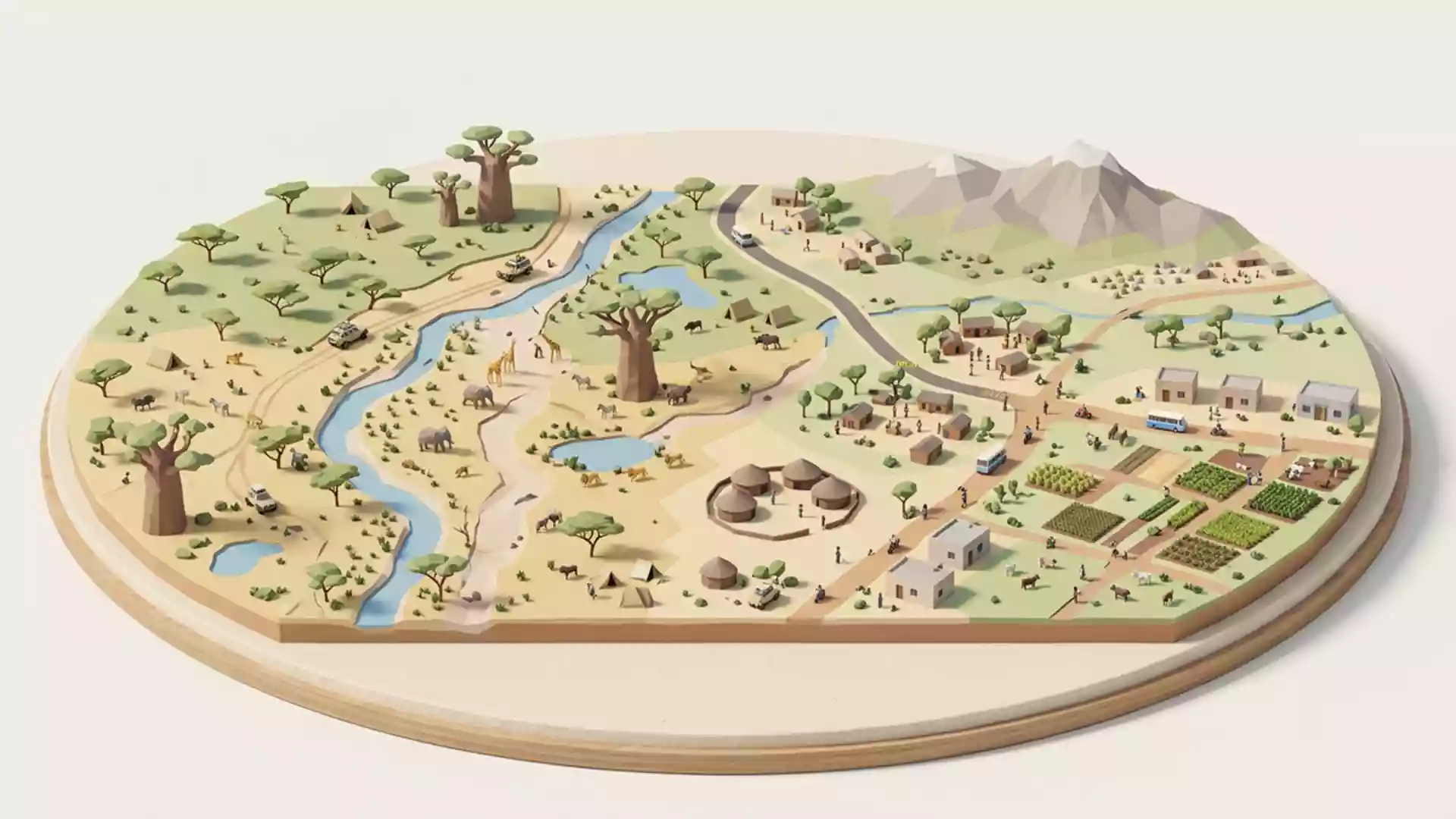
Tanzania orders Tarangire Park upgrades on 21 October
Published on 10/24/2026 at 15:40 | Editorial responsibility: Rafael Müller, Editor-in-Chief AD HOC NEWSWet-season preparations and park access
- TANAPA and Tarangire Park management received the infrastructure directive on 21 October 2026.
- A rapid-response team followed resolutions reached on 6 October 2026.
- TANAPA lists 2,850 square kilometres and more than 550 baobab trees for the park.
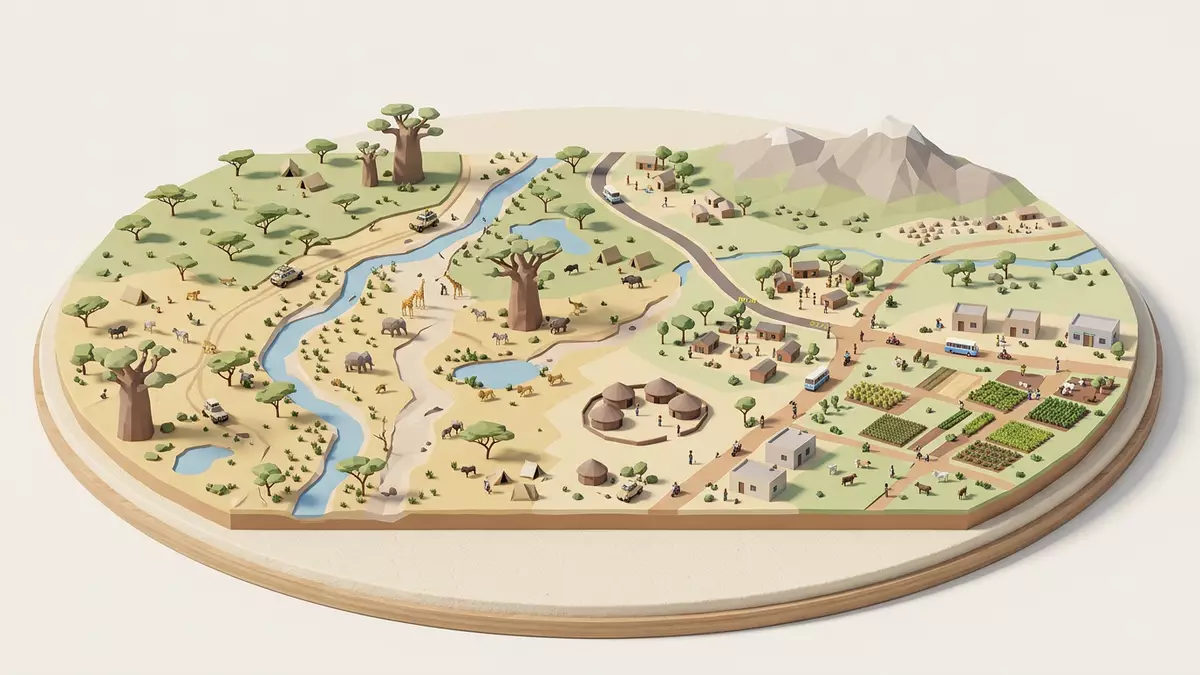
Tarangire Park (Hifadhi ya Taifa ya Tarangire) in northern Tanzania is the subject of infrastructure upgrades ordered on 21 October 2026, linking the park with practical wet-season travel from Arusha. The directive covers roads, drainage, communications and emergency readiness ahead of anticipated El Niño rains.
Tarangire Park upgrades target wet-season access
Nkoba Mabula, deputy permanent secretary in Tanzania’s Ministry of Natural Resources and Tourism, directed the park and the Tanzania National Parks Authority, known as TANAPA, to accelerate infrastructure improvements during an official visit. The measures are intended to reduce disruption to conservation and tourism activities while maintaining access for domestic and international visitors.
The park had already repaired six pieces of road maintenance and rescue equipment before the directive was reported. It had also established a rapid-response emergency team with the Babati District Commissioner’s Office after resolutions reached at a meeting on 6 October 2026. Drainage work on tourist roads included light grading, pothole filling and excavation of drainage channels, according to the 21 October infrastructure report.
Tarangire Park’s river and baobabs shape the visit
The protected area is named after the Tarangire River, which crosses the park and provides a key water source for wildlife during the dry season. TANAPA describes the park as a landscape of elephants, baobabs, open savannah and river corridors, with more than 550 baobab trees and an area of 2,850 square kilometres.
That setting explains why road conditions matter to the visitor experience: game drives use tracks that cross open grassland, woodland and areas around the river. The park’s official information identifies elephants, wildebeest, zebra and buffalo among the wildlife seen during the dry season, while its visitor guidance warns that rain can create muddy sections and waterlogged pans. The same guidance recommends suitable four-wheel-drive vehicles in wet conditions.
Tarangire Park’s position also connects the current work with the established safari route from Arusha. TANAPA’s published material places the park about 121 kilometres from Arusha by road, with the journey continuing from the main route to park roads. The official park profile records the area, wildlife and baobab figures used here.
What the October directive means for safari routes
The announcement does not describe a full park closure or a new visitor prohibition. Instead, it records preparations intended to keep tourist roads usable during the rainy season, alongside stronger communication systems and training for rangers and officers in rescue operations.
For travellers, the practical change is therefore one of preparedness rather than a new attraction. Drainage work, repaired equipment and the rapid-response team relate directly to movement through the park, while the wet-season conditions still require attention to road surfaces, crossings and ranger instructions. The improvements connect the 21 October directive with the park’s river-based wildlife routes rather than with a separate festival or special opening.
Visiting Tarangire Park: what travellers from Western Europe should know
- The infrastructure directive was reported on 21 October 2026 and concerns roads, drainage, communications and emergency readiness inside the park.
- The park remains described as accessible to visitors, but wet-season travel can involve muddy sections and waterlogged pans; four-wheel-drive vehicles are recommended in such conditions.
- The park is in northern Tanzania and is reached by road from Arusha, with access continuing on graded park roads.
- Tarangire’s terrain includes open savannah, woodland, river corridors and seasonal wet areas, so visitors must remain on designated tracks and follow ranger or guide instructions.
- Entry requirements depend on your nationality; UK travellers can check the FCDO travel advice at gov.uk/foreign-travel-advice, Irish travellers the Department of Foreign Affairs at ireland.ie.
Searching for Tarangire Park on social platforms
These links open searches for Tarangire Park on each platform.
Frequently asked questions about Tarangire Park
What changed at Tarangire Park on 21 October 2026?
Tanzania ordered accelerated infrastructure and emergency-preparedness work covering roads, drainage, communications and rescue readiness. The announcement did not describe a full closure.
Where is Tarangire Park and how do you get there?
The park is in northern Tanzania and can be reached by road from Arusha, followed by graded park roads.
What is Tarangire Park?
It is a protected wildlife area named after the Tarangire River, known for elephants, baobabs, open savannah and river corridors.