Teotihuacan and the Avenue of the Dead in San Juan Teotihuacan
Published on 09/01/2026 at 09:17 | Editorial responsibility: Rafael Müller, Editor-in-Chief AD HOC NEWS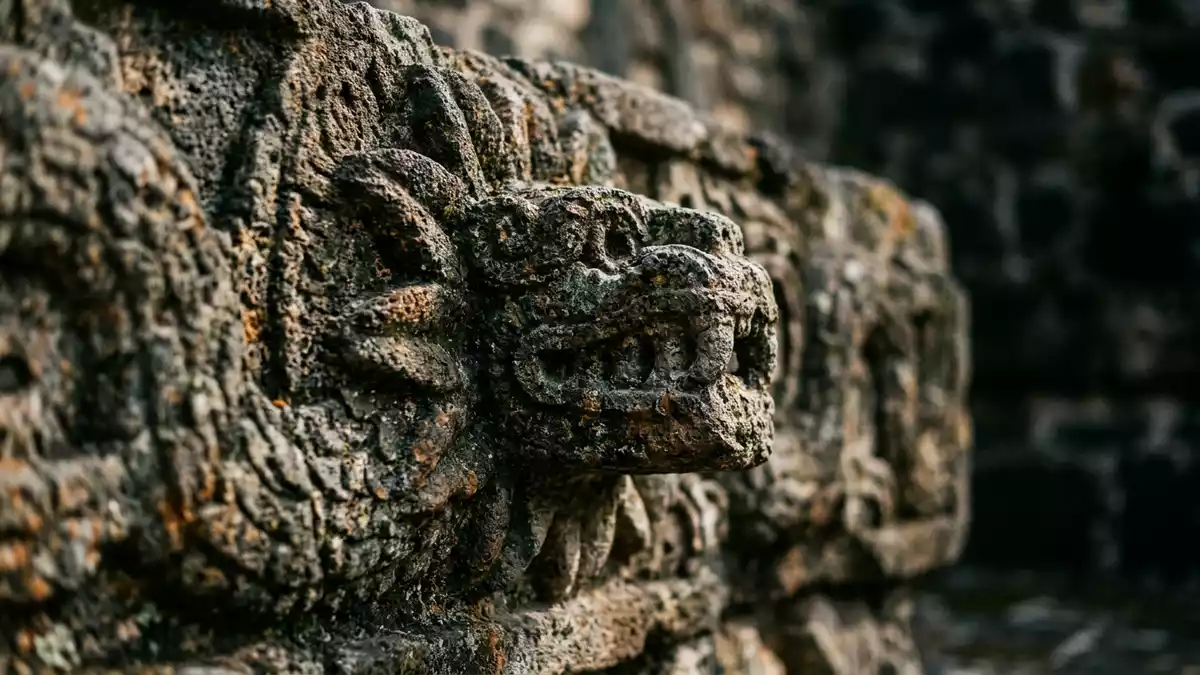
Teotihuacan spreads across the plateau north-east of Mexico City as a planned pre-Hispanic city laid out along a broad ceremonial axis known as the Avenue of the Dead. In San Juan Teotihuacan in the State of Mexico, its pyramids and plazas still define a landscape that once ranked among the largest urban centres in ancient Mesoamerica.
The Avenue of the Dead and the city’s geometric plan
The most striking feature at Teotihuacan is the Avenue of the Dead, a long processional route that runs through the heart of the archaeological zone and aligns the major monuments in a clear geometric grid.Avenue of the Dead Along this axis stand platforms and pyramid bases that once supported temples and ceremonial structures, creating a sequence of spaces that leads visitors from enclosure to enclosure. The avenue connects the great plaza known as La Ciudadela at the southern end with the Pyramid of the Moon to the north, tying together the city’s principal civic and ritual areas in one continuous sightline.La Ciudadela and the Moon Pyramid
Beyond the monumental core, Teotihuacan once extended over several square kilometres, with apartment compounds and smaller temples organised around the same orthogonal plan.urban society in the Americas Archaeological work has mapped residential districts flanking the ceremonial avenue, revealing courtyards, internal passages and decorated walls that formed dense neighbourhoods. The city took shape between the first and seventh centuries AD, and at its height in the middle of the first millennium it supported a population measured in the tens of thousands, making it one of the major urban centres of its era.zenith between 100 BC and AD 650
Pyramids of the Sun and the Moon
On the eastern side of the Avenue of the Dead rises the Pyramid of the Sun, a massive stepped structure that dominates the central sector of Teotihuacan.Pyramid of the Sun Built of stone and earth in tiered stages, it is among the largest pre-Columbian pyramids in the Americas, its broad base and ascending platforms forming a commanding volume above the surrounding plazas. Opposite the northern end of the avenue, the Pyramid of the Moon anchors another major plaza, framed by smaller pyramids and platforms that complete a ceremonial ensemble around the pyramid’s stepped mass.Pyramids of the Sun and the Moon
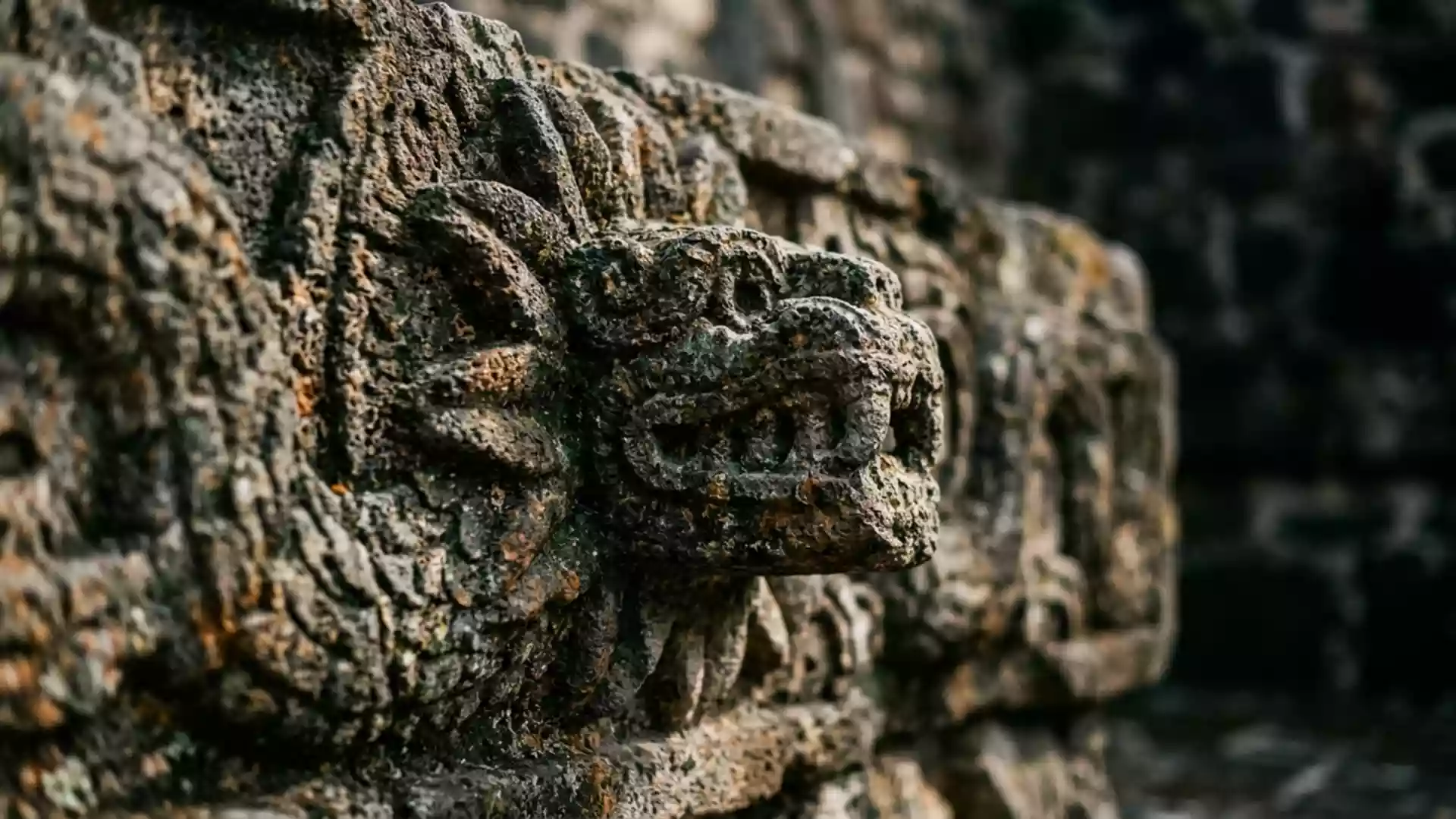
Lower in height but rich in architectural detail, the Temple of the Feathered Serpent stands within La Ciudadela at the southern part of the site.Temple of the Feathered Serpent Its pyramid platform once displayed sculpted stone heads and reliefs associated with the Feathered Serpent, known in later traditions as Quetzalcoatl, projecting from the facade in rhythmic sequence. Nearby, the Palace of Quetzalpapalotl preserves carved columns, patios and mural fragments that indicate the level of craftsmanship achieved in elite residences at Teotihuacan.Palace of Quetzalpapalotl Together, these structures give a sense of how religious, political and residential functions intersected around the city’s main axis.
Murals, apartment compounds and World Heritage status
A defining aspect of Teotihuacan lies in its extensive apartment compounds, where mural painting and domestic architecture have survived in protected clusters around the monumental zone.apartment areas with mural paintings Areas such as Tetitla, Atetelco, Tepantitla and La Ventilla contain rooms arranged around small courtyards, with walls bearing painted images of deities, plants, animals and abstract motifs. Other residential groups known as Yayahuala and Zacuala show similar patterns of clustered rooms, passageways and shared spaces, illustrating how households were organised within the wider city fabric.
The importance of Teotihuacan’s architecture and art is reflected in its inscription on the UNESCO World Heritage List in 1987 as the Pre-Hispanic City of Teotihuacan.World Heritage List in 1987 The protected archaeological zone covers hundreds of hectares, encompassing the Avenue of the Dead, the major pyramids, La Ciudadela and the surrounding residential compounds.archaeological zone covers 281 hectares Within this area stand two specialised museums: one dedicated to Teotihuacan culture and another to the site’s murals, along with a space for temporary exhibitions housed in a building known as the Exmuseo.Teotihuacan Culture Museum and Museum of Murals Together, the open-air remains and museum collections present a detailed picture of life in this ancient city.
Visiting Teotihuacan: what travellers from Western Europe should know
- Teotihuacan stands in the municipality of San Juan Teotihuacan in the State of Mexico, north-east of Mexico City, and is reached by road from the capital.
- The archaeological zone occupies a broad plateau with large plazas, stepped pyramid structures and stone platforms, and visiting involves walking across open ground and climbing staircases.
- The site includes museum buildings dedicated to Teotihuacan culture and murals, offering interior exhibition spaces in addition to the extensive outdoor remains.
- The official language is Spanish and the currency is the Mexican peso.
- Entry requirements depend on your nationality; UK travellers can check the FCDO travel advice at gov.uk/foreign-travel-advice, Irish travellers the Department of Foreign Affairs at ireland.ie.
Searching for Teotihuacan on social platforms
These links open searches for Teotihuacan on each platform.
Frequently asked questions about Teotihuacan
Where is Teotihuacan and what kind of place is it?
Teotihuacan is an ancient Mesoamerican city and archaeological site in the municipality of San Juan Teotihuacan in the State of Mexico, north-east of Mexico City.
What should visitors expect when exploring Teotihuacan?
Visitors encounter large pyramids, plazas and platforms aligned along the Avenue of the Dead, with extensive walking across open ground and staircases, plus museums presenting artefacts and murals.
What makes Teotihuacan distinctive among ancient cities?
Teotihuacan is distinctive for its geometric city plan focused on the Avenue of the Dead, the scale of the Pyramids of the Sun and the Moon, its mural-decorated apartment compounds and its recognition as a UNESCO World Heritage Site.