

Tortuguero National Park study finds 11 jaguars on 6 October
Published on 10/11/2026 at 00:49 | Editorial responsibility: Rafael Müller, Editor-in-Chief AD HOC NEWSKey points in brief
- A 6 October 2026 report linked Tortuguero National Park to the identification of 11 individual jaguars through camera-trap monitoring.
- The Turtle Love project operates 12 camera-trap stations inside the park and seven more at Playa Tres, according to the 6 October 2026 report.
- Tortuguero National Park was declared in Costa Rica on 24 September 1970 and covers 76,937 hectares.
- Access to Tortuguero National Park is by small boat, while its forests, canals and beaches form the setting for the jaguar research reported on 6 October 2026.
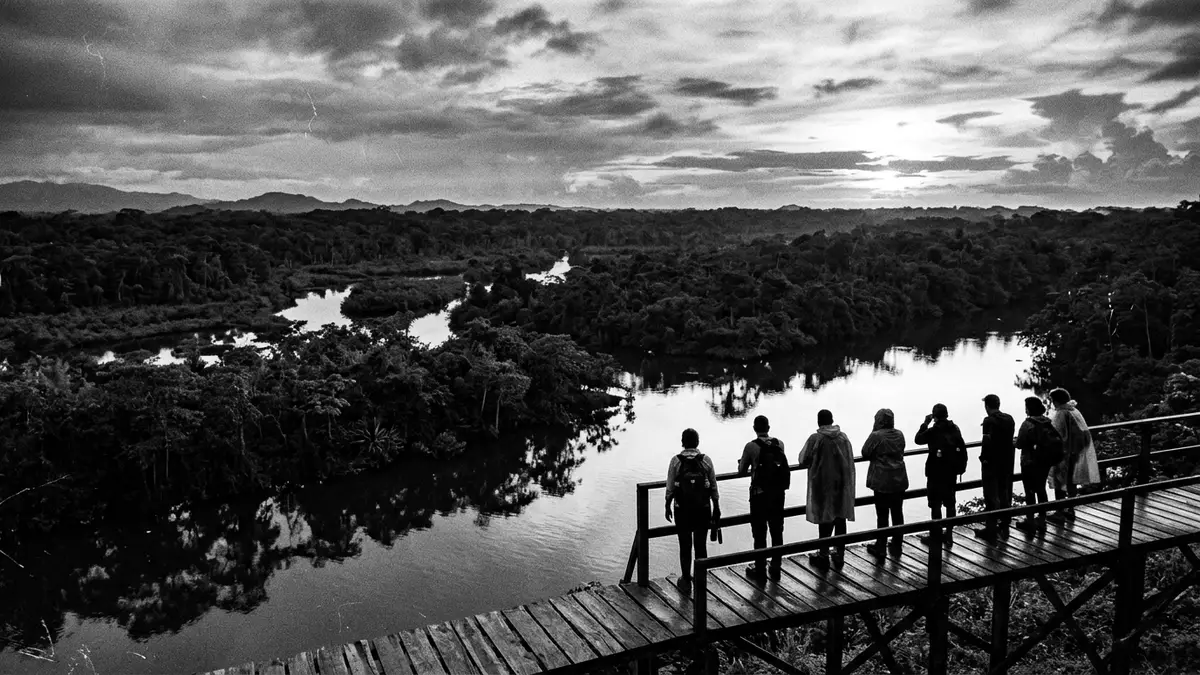
Tortuguero National Park and a 6 October 2026 jaguar monitoring report are drawing attention to wildlife research in Tortuguero, Costa Rica. The report links the park to the identification of 11 individual jaguars through camera traps, while stressing that the figure is not a total population count.
Jaguar monitoring identifies 11 animals on 6 October 2026
The monitoring is being carried out by the conservation organisation Turtle Love, which has studied wildlife in Tortuguero and nearby Playa Tres since 2023. The 6 October 2026 report says that researchers operate 12 camera-trap stations inside the park and seven more at Playa Tres, near Barra de Parismina.
The cameras use motion and heat sensors to record animals moving through the forest without capturing or handling them. Individual jaguars can be distinguished by their coat patterns, allowing researchers to follow movements and behaviour through repeated images. The project is also examining how jaguar movements and feeding patterns change during the sea turtle nesting season, when the cats and turtles share the same protected landscape. The 6 October research report describes the findings and their limits.
Tortuguero National Park links forests, canals and turtle beaches
The park lies on Costa Rica's northeastern Caribbean coast and was declared on 24 September 1970. The official custodian, the National System of Conservation Areas, records a total area of 76,937 hectares, including 50,284 marine hectares and 26,653 terrestrial hectares.
Its protected setting includes tropical forest, wetlands, rivers, canals and beaches. That combination explains the value of the camera work: the jaguar findings concern a forest ecosystem that also supports important nesting beaches for green turtles. The research therefore connects a land predator with the seasonal wildlife activity that shapes the wider Tortuguero landscape. SINAC's park information describes the protected area, its access and its habitats.
Visiting Tortuguero National Park: what travellers from Western Europe should know
- The relevant research update was reported on 6 October 2026 and concerns camera-trap monitoring inside Tortuguero National Park and at nearby Playa Tres.
- The report does not announce a closure or a special visitor programme. The jaguar study is conservation research, so ordinary visits should remain separate from the camera stations and research activity.
- The park is on Costa Rica's northeastern Caribbean coast. SINAC states that access to the protected area is possible by small boat, with the village of Tortuguero serving as the local reference point.
- The setting combines forest, wetlands, rivers, canals and beaches. Visitors should expect humid tropical terrain and follow marked routes and instructions from park staff.
- Costa Rica's official language is Spanish and its national currency is the colón.
- Entry requirements depend on your nationality; UK travellers can check the FCDO travel advice at gov.uk/foreign-travel-advice, Irish travellers the Department of Foreign Affairs at ireland.ie.
Searching for Tortuguero National Park on social platforms
These links open searches for Tortuguero National Park on each platform.
Frequently asked questions about Tortuguero National Park
What did the 6 October 2026 jaguar report find?
It reported 11 individual jaguars identified through camera-trap monitoring in and around the park. The figure refers to animals identified by the project, not the total jaguar population.
Where is Tortuguero National Park and how do you get there?
It is on Costa Rica's northeastern Caribbean coast. SINAC says access to the protected area is possible by small boat.
What is Tortuguero National Park?
It is a protected area declared on 24 September 1970, covering 76,937 hectares of marine and terrestrial habitats. Its ecosystems include forests, wetlands, rivers, canals and beaches.


