Train route to Machu Picchu reopens on 4 November
Published on 11/07/2026 at 18:45 | Editorial responsibility: Rafael Müller, Editor-in-Chief AD HOC NEWSTrain access and heritage setting
- PeruRail restored regular services between Hidroeléctrica and Machu Picchu Pueblo on 4 November 2026.
- Rock removal reopened the kilometre 111+800 section after a landslide affected rail access.
- UNESCO inscribed the Historic Sanctuary of Machu Picchu on the World Heritage List in 1983.
Machu Picchu reopened its Hidroeléctrica rail connection on 4 November 2026 after rockfall blocked the line near the archaeological site. The route links the sanctuary with Aguas Calientes, the settlement also called Machu Picchu Pueblo, and gives travellers another access option in Peru.
Machu Picchu train reopening follows rockfall clearance
Rail services on the Hidroeléctrica-Machu Picchu Pueblo section resumed after workers removed rocks and debris from the track. The affected point was kilometre 111+800 in the Puente Ruinas area, where material had slid onto the railway early on 2 November.
PeruRail’s reopening notice said regular operations would return on 4 November following authorisation from Ferrocarril Transandino S.A., the railway concessionaire. The notice named Tren Local and PeruRail Expedition services, while Peru’s public news agency reported that the restored section had been cleared and authorised for operation.
The reopening followed a short disruption rather than a permanent route change. The Hiram Bingham road between Aguas Calientes and the citadel was also cleared on 2 November, according to Agencia Andina’s report, while trains from Ollantaytambo to Machu Picchu Pueblo continued to operate.
Rail access meets a protected Inca landscape
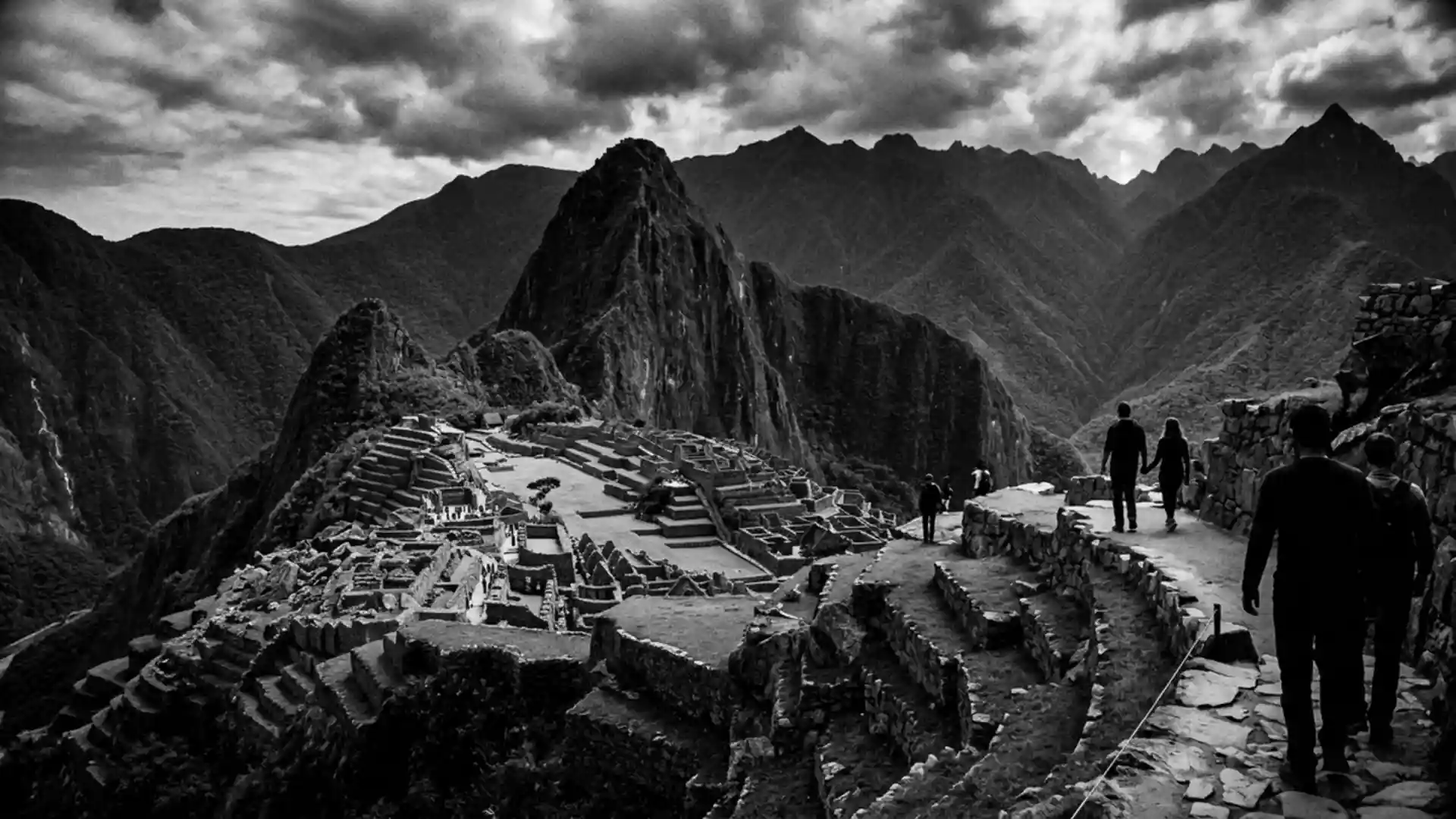
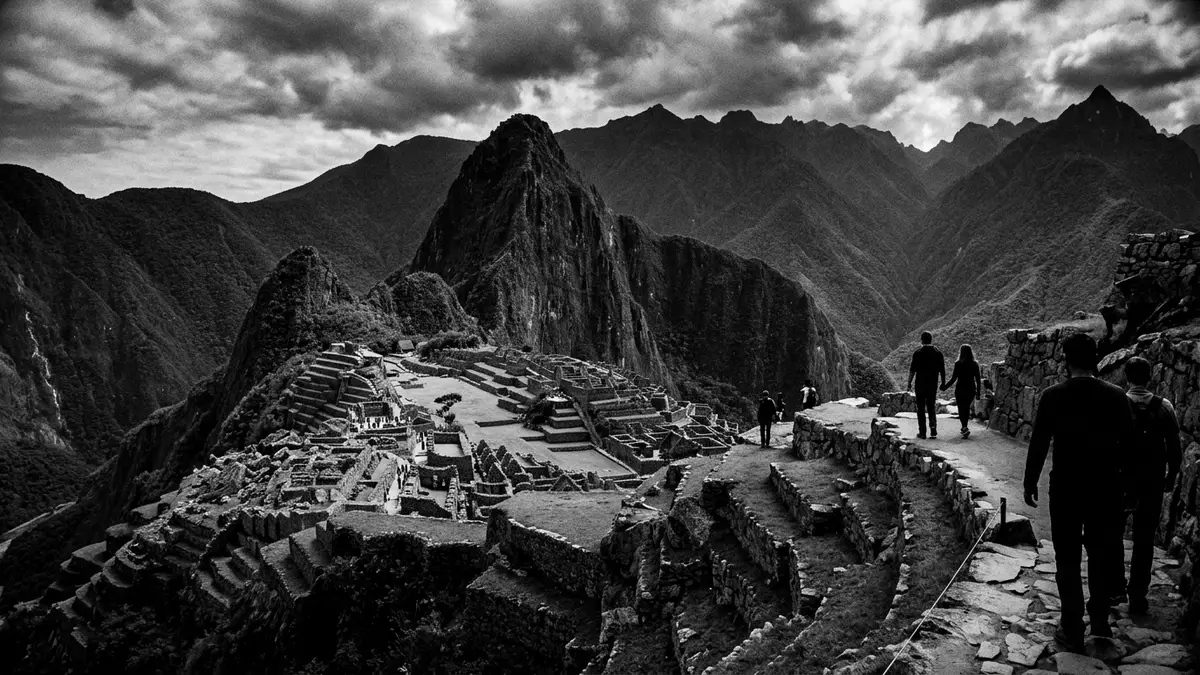
The restored railway approaches a site that UNESCO describes as a fifteenth-century Inca settlement on a steep ridge above the eastern Andes. Its approximately 200 structures include religious, ceremonial, astronomical and agricultural areas, connected by stone terraces and planned spaces.
The Historic Sanctuary of Machu Picchu stands at 2,430 m (7,972 ft) above sea level in tropical mountain forest. It combines cultural and natural heritage across 32,592 hectares, with the archaeological complex at its centre.
UNESCO’s sanctuary profile records the property’s inscription on the World Heritage List in 1983. That status helps explain why a rail incident near Puente Ruinas matters beyond transport: the line runs through the wider protected landscape that contains the citadel and its access network.
Visiting Machu Picchu: what travellers from Western Europe should know
- The relevant access change took effect on 4 November 2026 on the Hidroeléctrica-Machu Picchu Pueblo rail section, after clearance at kilometre 111+800.
- The reopening concerns Tren Local and PeruRail Expedition services on the restored section. The road from Aguas Calientes to the citadel was cleared on 2 November 2026.
- Ollantaytambo is the named rail connection for services continuing to Machu Picchu Pueblo, while Aguas Calientes is the settlement beside the sanctuary.
- The archaeological complex lies at 2,430 m (7,972 ft), with steep terrain, terraces and stone structures on a mountain ridge.
- Entry requirements depend on your nationality; UK travellers can check the FCDO travel advice at gov.uk/foreign-travel-advice, Irish travellers the Department of Foreign Affairs at ireland.ie.
Searching for Machu Picchu on social platforms
These links open searches for Machu Picchu on each platform.
Frequently asked questions about Machu Picchu
When did the Machu Picchu train reopening take place?
Regular services on the Hidroeléctrica-Machu Picchu Pueblo section resumed on 4 November 2026 after rock and debris clearance.
Where is Machu Picchu and how do you get there?
The sanctuary is in Peru’s eastern Andes, with rail access through Aguas Calientes and services from Ollantaytambo.
What is Machu Picchu?
It is a fifteenth-century Inca archaeological complex within a protected cultural and natural sanctuary inscribed by UNESCO in 1983.