
Trulli di Alberobello and the architecture of dry stone
Published on 09/24/2026 at 06:09 | Editorial responsibility: Rafael Müller, Editor-in-Chief AD HOC NEWS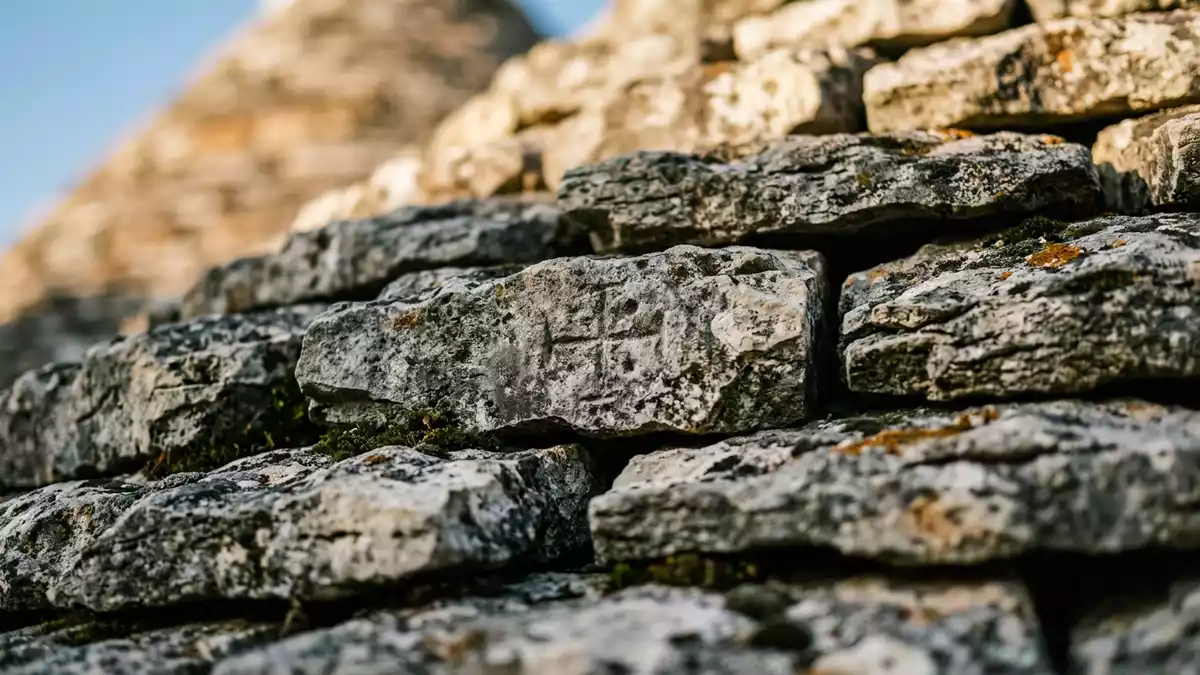
Trulli di Alberobello is a townscape of limestone dwellings with conical, domed and pyramidal roofs. In Alberobello, Puglia, dry-stone walls turn domestic buildings into a continuous architectural landscape, with whitewashed surfaces, dark roof slabs and narrow lanes. The settlement’s identity rests on the visible relationship between many small structures and the limestone building tradition that links them.
Trulli di Alberobello: a town built from limestone
A trullo is a traditional dry-stone dwelling with a corbelled roof. Its walls use roughly worked limestone, placed without mortar, while overlapping slabs rise towards the roof’s apex. This method belongs to a wider Mediterranean tradition, yet Alberobello preserves an unusually concentrated urban expression of it.
The roofs create the skyline. Some are conical, while others have pyramidal or domed profiles. White symbols painted on the roof surfaces include mythological and religious signs, and decorative pinnacles finish many roofs. The symbols and pinnacles vary from building to building, giving the districts a visual vocabulary beyond their shared materials. UNESCO’s trulli description records the limestone construction, corbelled roofs and continuing dry-stone tradition.
From rural shelter to an inhabited historic landscape
Trulli existed as field shelters, storehouses and homes for small landowners and agricultural labourers. The form belongs to the Itria Valley, where limestone and dry-stone construction shaped rural buildings across Puglia. Alberobello gathers these structures into an urban setting rather than presenting them only as isolated countryside dwellings.
Some trulli date from as early as the mid-fourteenth century, while scattered settlement in the area reaches back to around 1,000 AD. Alberobello’s historic districts preserve the relationship between house, lane and roof as a coherent townscape. The historic dry-stone tradition remains visible in the buildings and in the construction language shared across the settlement.
Protection began with heritage designations in the early twentieth century. The Trullo Sovrano became a national monument in 1923, and Rione Monti received the same status in 1928. In 1996, the Trulli of Alberobello entered the UNESCO World Heritage List as an exceptional historic urban landscape.
Rione Monti, Aia Piccola and the named landmarks
Rione Monti occupies the southern part of Alberobello and contains the town’s largest concentration of conical roofs. Its lanes rise among trulli used for homes, craft activities and other commercial purposes. The district presents the architecture as a dense sequence of façades, roof cones, steps and small openings.
Rione Aia Piccola lies nearby and retains a residential character. Its trulli sit close together along lanes that reveal the domestic scale of the settlement. The two districts are joined in the recognised historic landscape, while other named locations include Casa d’Amore, Casa Pezzolla and Trullo Sovrano. The World Heritage property includes Rione Monti, Rione Aia Piccola and specific historic locations within Alberobello.
Trullo Sovrano is a two-storey trullo and houses a museum. Its height and internal arrangement distinguish it from the smaller single-storey dwellings around it. The church of Sant’Antonio adds another variation: a church shaped within the trullo tradition, with a Greek-cross plan and conical roof forms. Together, these buildings show how the architectural language extends beyond the ordinary house.
Visiting Trulli di Alberobello: what travellers from Western Europe should know
- Alberobello lies in Puglia, in the Metropolitan City of Bari. The Ferrovie del Sud Est railway connects Alberobello station with Bari and other towns in the Itria Valley.
- Rione Monti occupies the southern side of town, while Rione Aia Piccola lies nearby. The historic lanes include slopes, steps and uneven stone surfaces.
- The trulli districts contain both commercial and residential areas. Rione Aia Piccola remains an inhabited quarter, while Rione Monti contains shops and craft spaces.
- The official language is Italian and the currency is the euro.
Searching for Trulli di Alberobello on social platforms
These links open searches for Trulli di Alberobello on each platform.Frequently asked questions about Trulli di Alberobello
Where are Trulli di Alberobello?
Trulli di Alberobello is in Alberobello, in Puglia, southern Italy. The historic districts lie within the town centre and include Rione Monti and Rione Aia Piccola.
What can visitors expect from the settlement?
The visit combines narrow lanes, limestone dwellings, conical roofs, painted symbols and named historic buildings. Rione Monti has commercial activity, while Aia Piccola is residential.
What makes the trulli distinctive?
The buildings use dry-stone walls and corbelled limestone roofs without mortar. Their concentration in Alberobello creates an inhabited historic landscape recognised on the UNESCO World Heritage List in 1996.


