Uyuni Salt Flat hosts speed trials from 22 to 27 October
Published on 10/24/2026 at 17:51 | Editorial responsibility: Rafael Müller, Editor-in-Chief AD HOC NEWSSpeed trials return to the salt flat
- Mike Akatiff’s Bolivia Speed Trials run from 22 to 27 October 2026 on the Uyuni Salt Flat.
- Rocky Robinson’s 2010 motorcycle record stands at 376.363 mph (605.697 km/h).
- The salt flat lies at 3,656 metres and covers about 10,582 square kilometres.
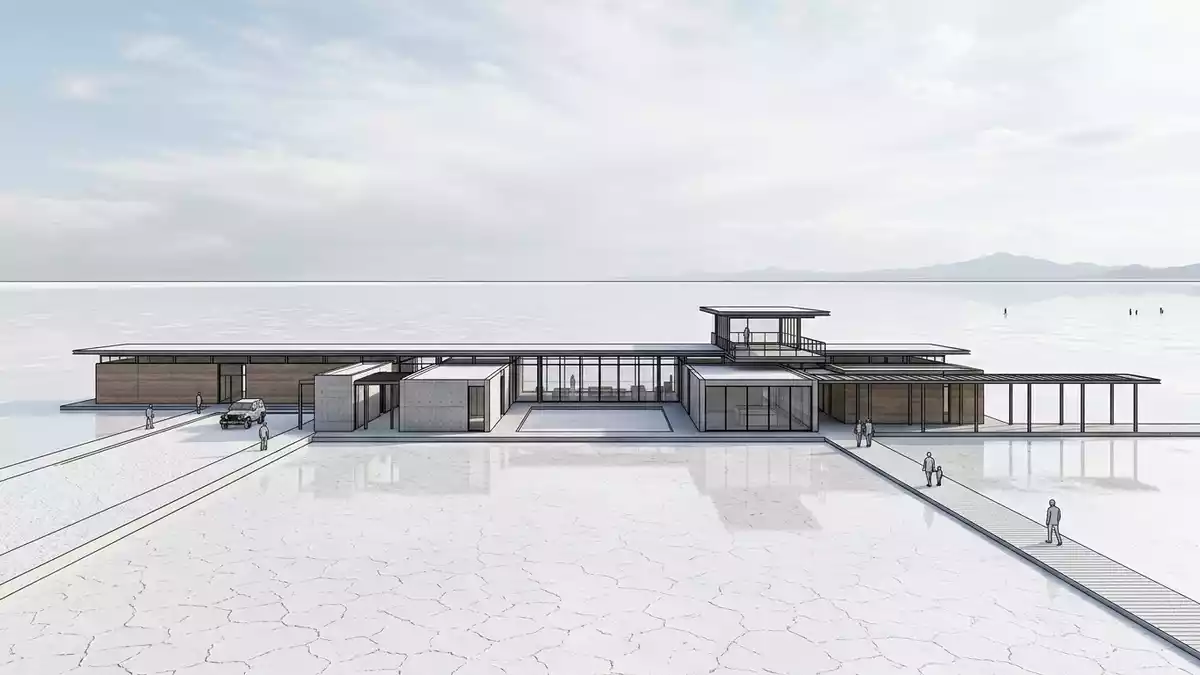
The Bolivia Speed Trials will take place on the Uyuni Salt Flat (Salar de Uyuni) in Bolivia from 22 to 27 October 2026. The event is staged on the vast salt flat near Uyuni as part of the FIM Land Speed World Records discipline.
The six-day meeting places the destination and a specialist motor sport programme together, with competitors attempting timed runs on the high-altitude surface.
Bolivia Speed Trials return from 22 to 27 October
The Fédération Internationale de Motocyclisme says the fourth edition of the Bolivia Speed Trials begins on 22 October 2026 and ends on 27 October 2026. Organiser Mike Akatiff is preparing the meeting for the FIM Land Speed World Records discipline, which covers officially recognised land-speed attempts.
Rocky Robinson and the TOP 1 Ack Attack Streamliner are central to the programme. The FIM reports that the machine holds the current FIM-accredited absolute motorcycle land-speed record of 376.363 mph (605.697 km/h), set in 2010, while the team is seeking to push beyond 400 mph (643.738 km/h). The event therefore uses the salt flat not simply as scenery, but as the timed course for a record attempt.
The FIM's announcement places the meeting on the salt flat and identifies Akatiff as the organiser. Its schedule gives visitors a concrete period to look for activity at the site, although it does not publish a general visitor timetable or admission information.
Why the Uyuni Salt Flat suits record attempts
Encyclopaedia Britannica describes the Uyuni Salt Flat as an arid salt flat in southwestern Bolivia, on the Altiplano. It lies at 3,656 metres above sea level and covers about 10,582 square kilometres, making it Bolivia's largest salt-encrusted area.
Those physical facts explain the relationship between the place and the October programme. A broad, elevated salt surface provides the setting for a measured land-speed course, while the altitude forms part of the technical environment in which the machines operate. The Britannica profile of the salt flat records the landscape's location, elevation and area.
The FIM's earlier calendar announcement specifies a course of around 30 kilometres in length and 33 metres in width, with a salt crust almost 10 metres thick. It also describes the site as part of Bolivia's high-altitude Altiplano. The FIM event description connects those characteristics directly with the October trials.
Visiting Uyuni Salt Flat: what travellers from Western Europe should know
- The Bolivia Speed Trials run on the Uyuni Salt Flat from 22 to 27 October 2026.
- The FIM describes a specialist land-speed meeting on the salt surface; it does not state general admission arrangements or regular visitor access.
- The landscape is in southwestern Bolivia on the Altiplano, at 3,656 metres above sea level, so travellers should account for high-altitude conditions.
- Entry requirements depend on your nationality; UK travellers can check the FCDO travel advice at gov.uk/foreign-travel-advice, Irish travellers the Department of Foreign Affairs at ireland.ie.
Searching for Uyuni Salt Flat on social platforms
These links open searches for Uyuni Salt Flat on each platform.
Frequently asked questions about Uyuni Salt Flat
When do the Bolivia Speed Trials take place at Uyuni Salt Flat?
The Bolivia Speed Trials run from 22 to 27 October 2026 on the Uyuni Salt Flat in Bolivia.
What is the Uyuni Salt Flat?
It is an arid salt flat in southwestern Bolivia on the Altiplano, covering about 10,582 square kilometres at 3,656 metres above sea level.
Where is Uyuni Salt Flat and how do you get there?
The salt flat is in southwestern Bolivia near Uyuni. Britannica identifies the site as part of the Altiplano.