Van Gogh Museum and the story of a single artist’s world
Published on 09/01/2026 at 09:04 | Editorial responsibility: Rafael Müller, Editor-in-Chief AD HOC NEWS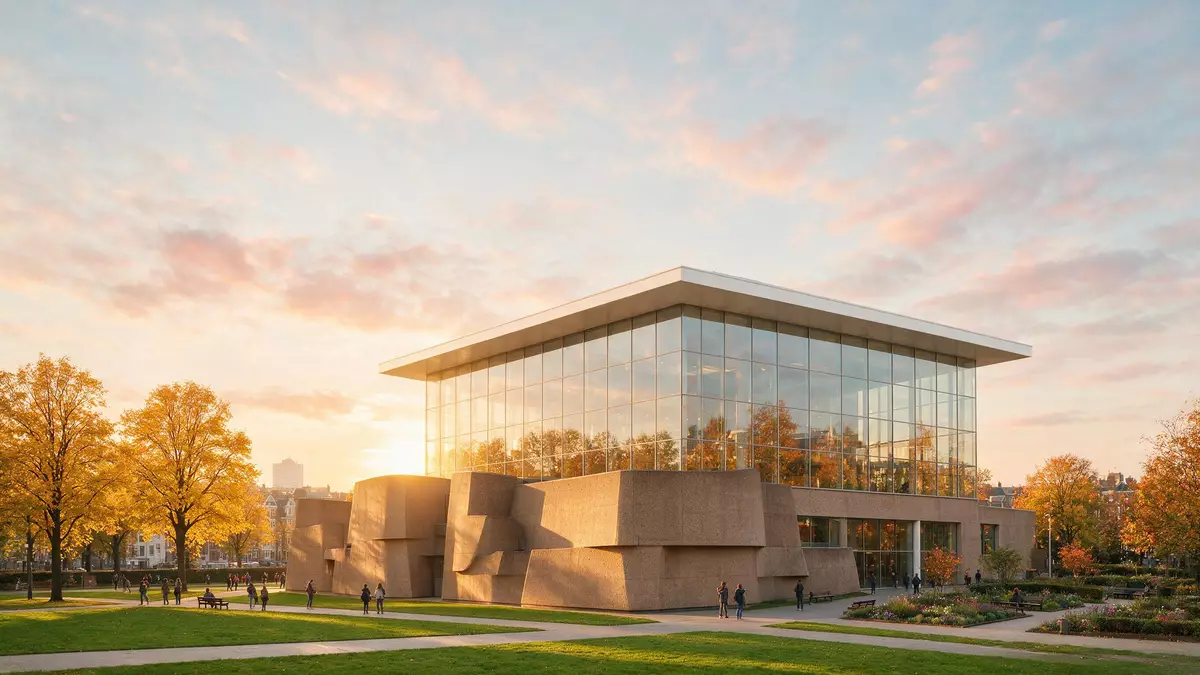
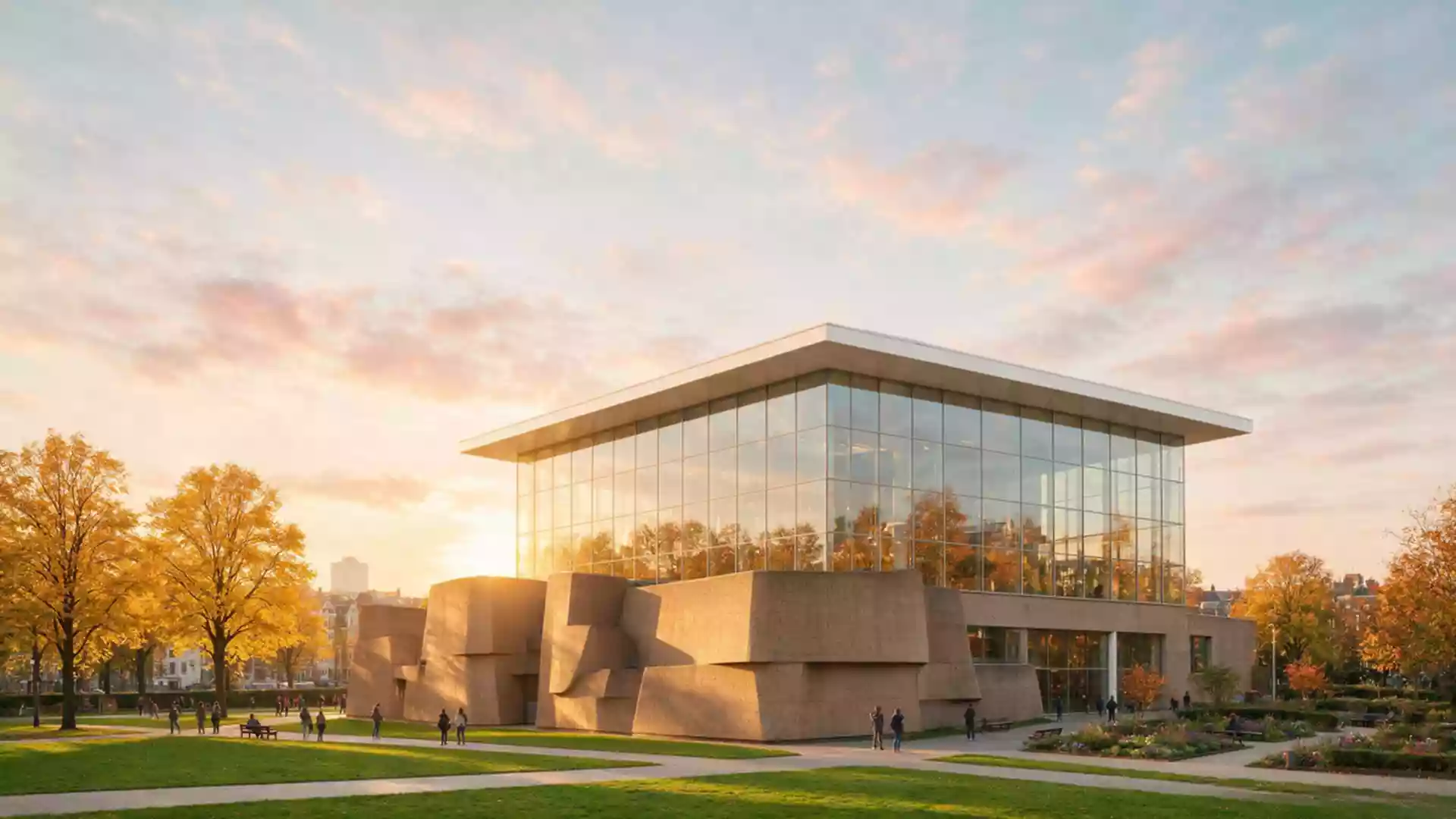
The Van Gogh Museum in Amsterdam is an art museum devoted entirely to the life and work of Vincent van Gogh, gathering his paintings, drawings and letters into a single, coherent place on Museumplein. Opened in 1973 in a main building designed by Gerrit Rietveld, it stands in the city’s Museum Quarter alongside institutions such as the Rijksmuseum and the Stedelijk Museum, forming a dense cluster of art within Amsterdam-Zuid. The museum’s collection and architecture together turn one artist’s short career into a complete environment visitors can move through room by room.
A museum built around one collection
The Van Gogh Museum grew out of a decision in 1962 to transfer a large body of works by Vincent van Gogh from his family to the Vincent van Gogh Foundation, with the Dutch state taking responsibility for building and operating a museum in return.decision in 1962 This arrangement led to the creation of an institution centred on a single collection rather than a broad survey of art history. The museum opened to the public in 1973, when the main Rietveld building on Paulus Potterstraat began housing the permanent display of Van Gogh’s works.opened in 1973
The museum’s holdings encompass more than 200 paintings, hundreds of drawings and a substantial number of letters written by Van Gogh, making it the largest single concentration of his work anywhere.largest collection of artworks The works are not only displayed as individual masterpieces but organised to trace Van Gogh’s development across distinct periods and places, from early Dutch scenes to the brighter canvases associated with France. This focus on one artist means the collection can explore themes such as changing use of colour, brushwork and subject matter in depth.
Architecture on Museumplein: Rietveld and Kurokawa
The Van Gogh Museum stands on Museumplein, a broad open space in Amsterdam-Zuid bordered by several major museums, with the Van Gogh Museum at Museumplein 6 in the Museum Quarter.Museumplein 6 address The main building, facing Paulus Potterstraat, was designed by Dutch architect Gerrit Rietveld in the 1960s and realised around the time of the museum’s opening in 1973.main building designed by Gerrit Rietveld Rietveld’s design gives the museum a modernist character, with clean lines and an emphasis on generous gallery spaces suited to large canvases.
At the end of the twentieth century the complex was extended with an exhibition wing designed by Japanese architect Kisho Kurokawa, completed in 1999.exhibition wing completed in 1999 This wing provides additional floors for temporary and special exhibitions linked to Van Gogh and related artists. Together, the Rietveld building and the Kurokawa wing create a museum that is both compact and layered, with entrances around Museumplein and Paulus Potterstraat linking the complex to the wider Museum Quarter.
Moving through Van Gogh’s life and work
Inside the Van Gogh Museum, the permanent collection is arranged to follow Vincent van Gogh’s artistic journey, aligning groups of works with the places and periods that shaped them.Van Gogh work organised chronologically Early rooms focus on his time in the Netherlands, where darker tones and scenes of rural labour dominate, while later spaces shift to the lighter palette associated with Paris and the intense colour of Arles. Works from Saint-Rémy and Auvers-sur-Oise bring the sequence to the final phase of his career, with paintings that show dense brushwork and fields under turbulent skies.
The presence of Van Gogh’s letters alongside his canvases and drawings adds another dimension to the visit, allowing written reflections to sit near the works they relate to.paintings, drawings and letters Visitors encounter studies, finished paintings and personal correspondence in the same building, with galleries arranged over several floors of the Rietveld structure and additional exhibition spaces in the Kurokawa wing. The result is a museum where the architecture, layout and collection all revolve around the detailed story of a single artist.
Visiting Van Gogh Museum: what travellers from Western Europe should know
- The Van Gogh Museum is located on Museumplein in Amsterdam-Zuid, with visitor access at Museumplein 6 in the Museum Quarter, close to the Rijksmuseum and the Stedelijk Museum.
- The main Rietveld building contains multiple gallery levels linked by staircases and lifts, and moving between floors involves walking through a series of exhibition spaces.
- The museum stands within a broad urban square, so approaches from surrounding streets are level and paved, suitable for reaching the entrance on foot or by public transport.
- The official language is Dutch and the currency is the euro.
Searching for Van Gogh Museum on social platforms
These links open searches for Van Gogh Museum on each platform.
Frequently asked questions about Van Gogh Museum
Where is the Van Gogh Museum located in Amsterdam?
The Van Gogh Museum stands on Museumplein in the Amsterdam-Zuid district, with its visitor address at Museumplein 6 in the city’s Museum Quarter.
What can visitors expect inside the Van Gogh Museum?
Visitors move through galleries that follow Vincent van Gogh’s artistic development, viewing paintings, drawings and letters arranged across several floors of the main building and exhibition wing.
What makes the Van Gogh Museum distinctive among art museums?
It is distinctive for concentrating the world’s largest collection of Van Gogh’s works in one institution, combining his art and correspondence with architecture designed specifically to display them.