

Viñales Valley hosts UNESCO geopark review from 6 October
Published on 10/11/2026 at 00:33 | Editorial responsibility: Rafael Müller, Editor-in-Chief AD HOC NEWSKey points in brief
- Viñales Valley hosted an on-site UNESCO assessment for possible Global Geopark status beginning on 6 October 2026.
- The assessment examined geological conservation, education, research, community involvement and sustainable tourism in Viñales Valley on 6 October 2026.
- Viñales Valley has been a UNESCO World Heritage cultural landscape since 1999 and forms part of Viñales National Park.
- The valley's limestone mogotes rise as high as 300 metres and its traditional tobacco farming remains part of the protected landscape.
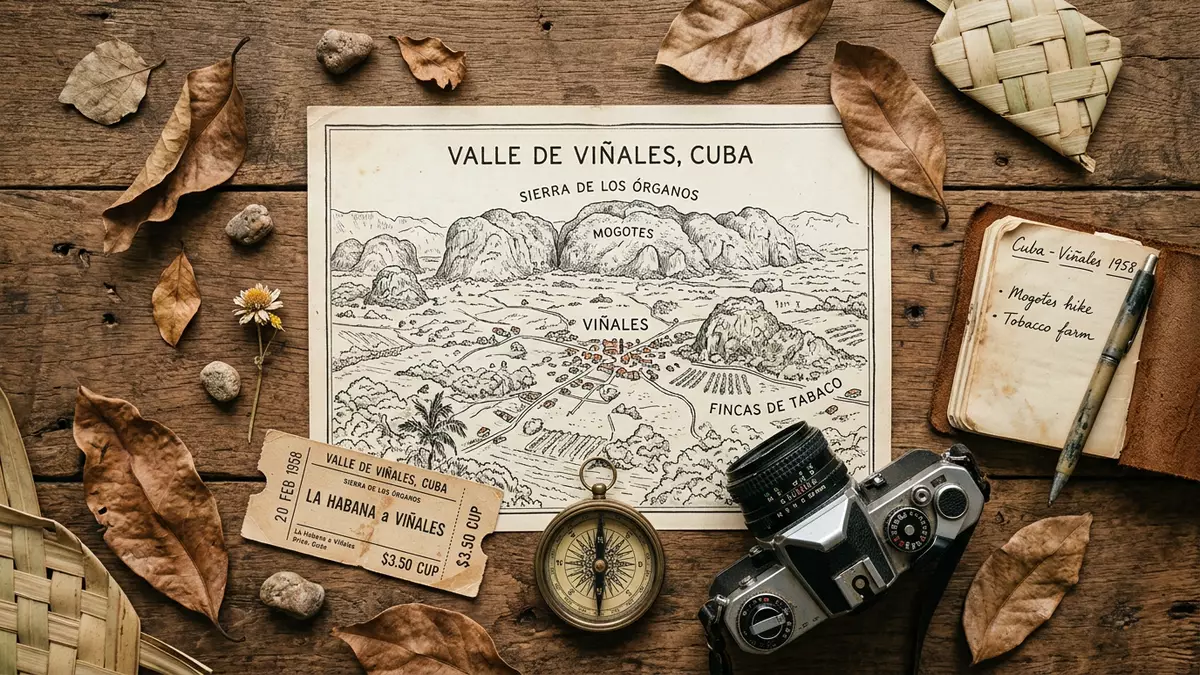
Viñales Valley (Valle de Viñales) in Viñales, Cuba, entered an on-site UNESCO assessment for possible Global Geopark status on 6 October 2026. The review is examining the landscape's geological heritage, education and research work, community involvement and sustainable tourism initiatives.
UNESCO geopark review began on 6 October 2026
Two UNESCO representatives began the evaluation on 6 October 2026, the International Geodiversity Day. The mission is assessing the territory proposed for the Global Geoparks Network and is being overseen on the Cuban side by Enrique Castellanos, director general of geology at the Ministry of Energy and Mines.
The national geopark submitted its formal application in November 2025 after technical and advisory missions by international experts. The assessment began on 6 October 2026 and covers conservation, scientific research, education, local participation and tourism linked to the territory.
If the application succeeds, the site would become the first UNESCO Global Geopark in the Caribbean. The assessment is an intermediate stage rather than a final designation, with the candidature still requiring further review within the geopark process.
Viñales Valley connects geopark plans with a World Heritage landscape
The valley has been recognised as a UNESCO World Heritage cultural landscape since 1999. It lies in the Sierra de los Organos in western Cuba, where a flat agricultural plain is surrounded by rounded limestone outcrops known as mogotes.
UNESCO records that the mogotes rise as high as 300 m (984 ft). The landscape also preserves traditional agricultural methods, particularly tobacco cultivation, together with farms, villages and vernacular architecture. UNESCO describes the protected landscape as a living cultural setting shaped by agriculture, architecture, crafts and music.
The geopark review therefore relates directly to the features that already define the valley's World Heritage status. Its geological formations are being considered alongside the human practices and local communities that give the rural landscape its cultural character.
From national geopark to possible Caribbean first
Cuba recognised the territory as its first national geopark in 2021. The candidature seeks to bring geological, natural and cultural values together through conservation, education, scientific work and opportunities for local communities.
The territory includes cave systems, rock formations and agricultural landscapes. The assessment also places the valley's existing heritage management in a broader international framework, while leaving the final outcome for a later stage of the UNESCO process. The reported review programme links the proposed designation with conservation, research, education and sustainable tourism.
Visiting Viñales Valley: what travellers from Western Europe should know
- The UNESCO assessment began on 6 October 2026 in the Viñales Valley and concerns the territory proposed for Global Geopark status.
- The reported activity is an on-site heritage assessment. No closure or changed visitor entrance was announced in the report describing the review.
- The valley is in Pinar del Río province in western Cuba, in the Sierra de los Organos. Viñales is the reference town for the cultural landscape.
- The terrain includes a rural plain, steep-sided limestone mogotes and cave systems. UNESCO states that the mogotes rise as high as 300 m (984 ft).
- Entry requirements depend on your nationality; UK travellers can check the FCDO travel advice at gov.uk/foreign-travel-advice, Irish travellers the Department of Foreign Affairs at ireland.ie.
Searching for Viñales Valley on social platforms
These links open searches for Viñales Valley on each platform.
Frequently asked questions about Viñales Valley
When did the UNESCO geopark review begin at Viñales Valley?
The on-site UNESCO assessment began on 6 October 2026. It concerns the area's candidature for the Global Geoparks Network.
What is Viñales Valley?
It is a UNESCO World Heritage cultural landscape in western Cuba, known for limestone mogotes, traditional tobacco farming, caves and rural architecture.
Where is Viñales Valley and how do you get there?
The valley is in Pinar del Río province in western Cuba, near the town of Viñales. The verified information identifies the town and province but does not specify a transport route.


