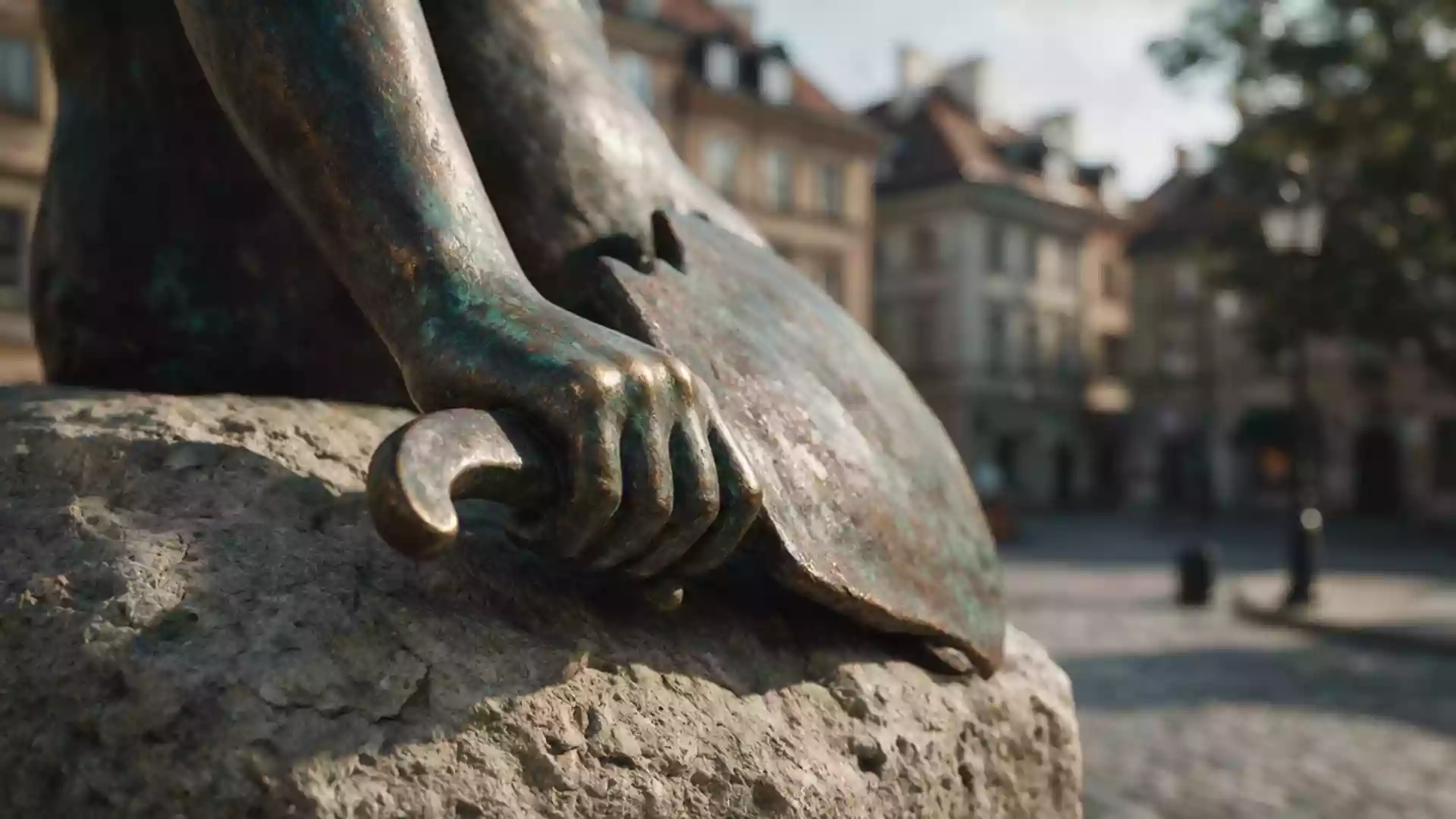
Warsaw Old Town opens Ambiguous on 29 October
Published on 10/31/2026 at 17:36 | Editorial responsibility: Rafael Müller, Editor-in-Chief AD HOC NEWSExhibition and heritage context
- The Museum of Warsaw opens Ambiguous. Phenomena of Warsaw on 29 October 2026.
- Six thematic areas connect identity, memory, diversity, prestige, social bonds and civic life.
- UNESCO added the Historic Centre of Warsaw to the World Heritage List in 1980.
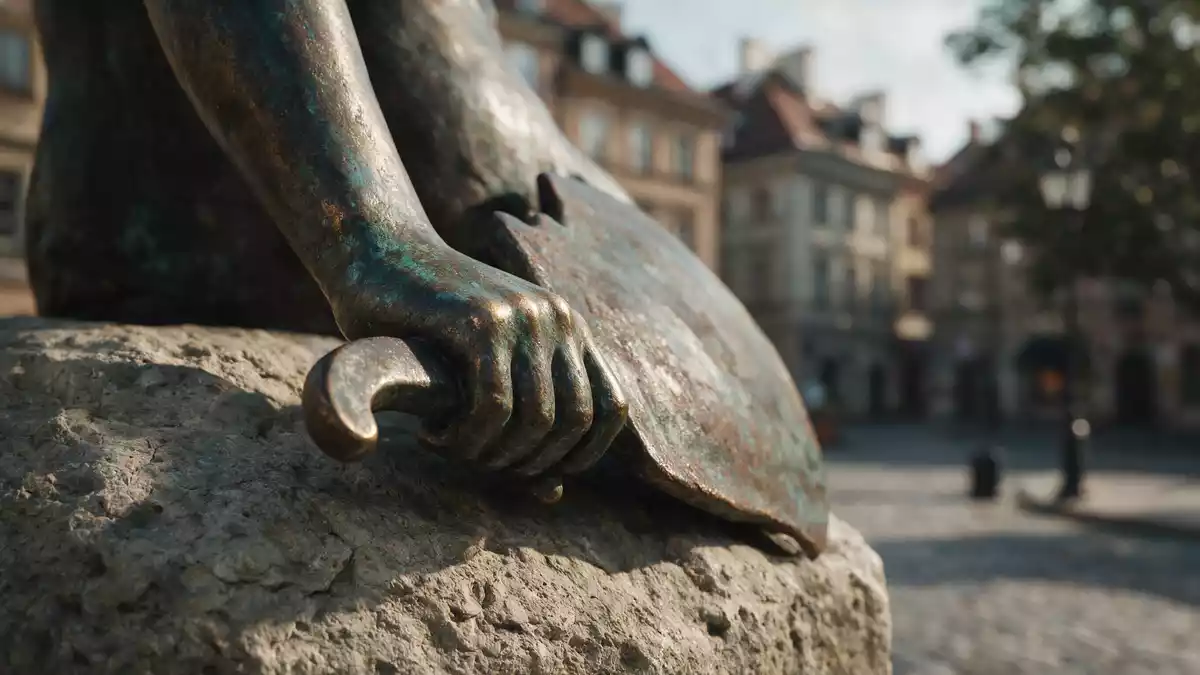
Warsaw Old Town opens Ambiguous. Phenomena of Warsaw on 29 October 2026 at the Museum of Warsaw, bringing a new exhibition to the historic centre of Warsaw. The exhibition remains on view until 25 April 2027 and examines how residents and visitors understand the Polish capital.
Ambiguous exhibition opens at the Old Town Market Square
The Museum of Warsaw is the organiser and venue for the exhibition at 32 Old Town Market Square. Its official programme places the opening on 29 October 2026 and describes the project as the result of collaboration between museum staff, experts and members of the public. This makes the exhibition a current cultural event within Warsaw Old Town rather than a general city listing.
Visitors find six thematic areas titled Identity, Memory Forum, Diversity, Prestige, Bonds and More Than a City. Together, they look at personal experience, public memory, social difference, status, shared places and the ways people shape urban life. The presentation uses objects from the museum collection alongside stories and contributions developed through the participatory process. The museum has also announced Sunday tours, workshops and debates connected with the exhibition.
The exhibition gives the Old Town a direct role in the programme. Its first section asks where the centre of Warsaw lies, while another uses post-war reconstruction and changing public memory to explore how places acquire meaning. The venue therefore links a contemporary discussion about the city with one of its most reconstructed historic districts.
Warsaw Old Town connects the exhibition with reconstruction
The Museum of Warsaw occupies historic tenement houses around the Old Town Market Square. The new exhibition uses that setting to consider a city whose appearance is closely tied to reconstruction, while its themes extend beyond architecture to include everyday relationships and civic participation.
UNESCO describes the Historic Centre of Warsaw as an outstanding near-total reconstruction covering a span of history from the thirteenth to the twentieth century. More than 85 per cent of the historic centre was destroyed during the Warsaw Uprising in August 1944, and a five-year reconstruction campaign followed the war. The site joined the World Heritage List in 1980. This history gives the exhibition’s sections on memory, identity and shared places a specific setting rather than an abstract urban backdrop. UNESCO’s Warsaw history records the scale of the destruction and rebuilding, while the museum sets the new display within the reconstructed market-square district.
Six themes frame a new view of Warsaw
The exhibition treats Warsaw as a city formed by several perspectives instead of a single official story. Identity considers personal reference points and the changing role of the city centre. Memory Forum addresses commemoration, public places and the continuing interpretation of the past. Diversity presents individual voices, while Prestige examines social advancement and the changing urban landscape.
Bonds focuses on the shared spaces and ordinary gestures that create belonging. More Than a City asks who has a claim to the city and how residents, disagreement and cooperation influence its future. The programme is particularly relevant to the Old Town because the district is both a public meeting place and a physical record of deliberate reconstruction. The Museum of Warsaw exhibition page confirms the dates, venue and six-part structure.
Visiting Warsaw Old Town: what travellers from Western Europe should know
- Ambiguous. Phenomena of Warsaw runs from 29 October 2026 to 25 April 2027 at the Museum of Warsaw, 32 Old Town Market Square.
- The exhibition is an indoor museum programme with six thematic areas and related tours, workshops and debates; the display is not a change to access across the whole district.
- The venue stands on the Old Town Market Square in central Warsaw, within the reconstructed Historic Centre of Warsaw and its churches, palaces and market-place.
For visitors planning a city break, the exhibition offers a defined cultural stop inside a UNESCO-listed district while the surrounding Old Town remains a public urban quarter. The exhibition date and place are confirmed by the museum’s current programme.
Searching for Warsaw Old Town on social platforms
These links open searches for Warsaw Old Town on each platform.
Frequently asked questions about Warsaw Old Town
When does Ambiguous. Phenomena of Warsaw take place at Warsaw Old Town?
The exhibition opens on 29 October 2026 and remains available until 25 April 2027 at the Museum of Warsaw.
What is Ambiguous. Phenomena of Warsaw?
It is a six-part exhibition about Warsaw’s identity, memory, diversity, prestige, social bonds and civic life.
Where is Warsaw Old Town and how do you get there?
It is in central Warsaw, with the exhibition venue at 32 Old Town Market Square within the UNESCO-listed Historic Centre of Warsaw.