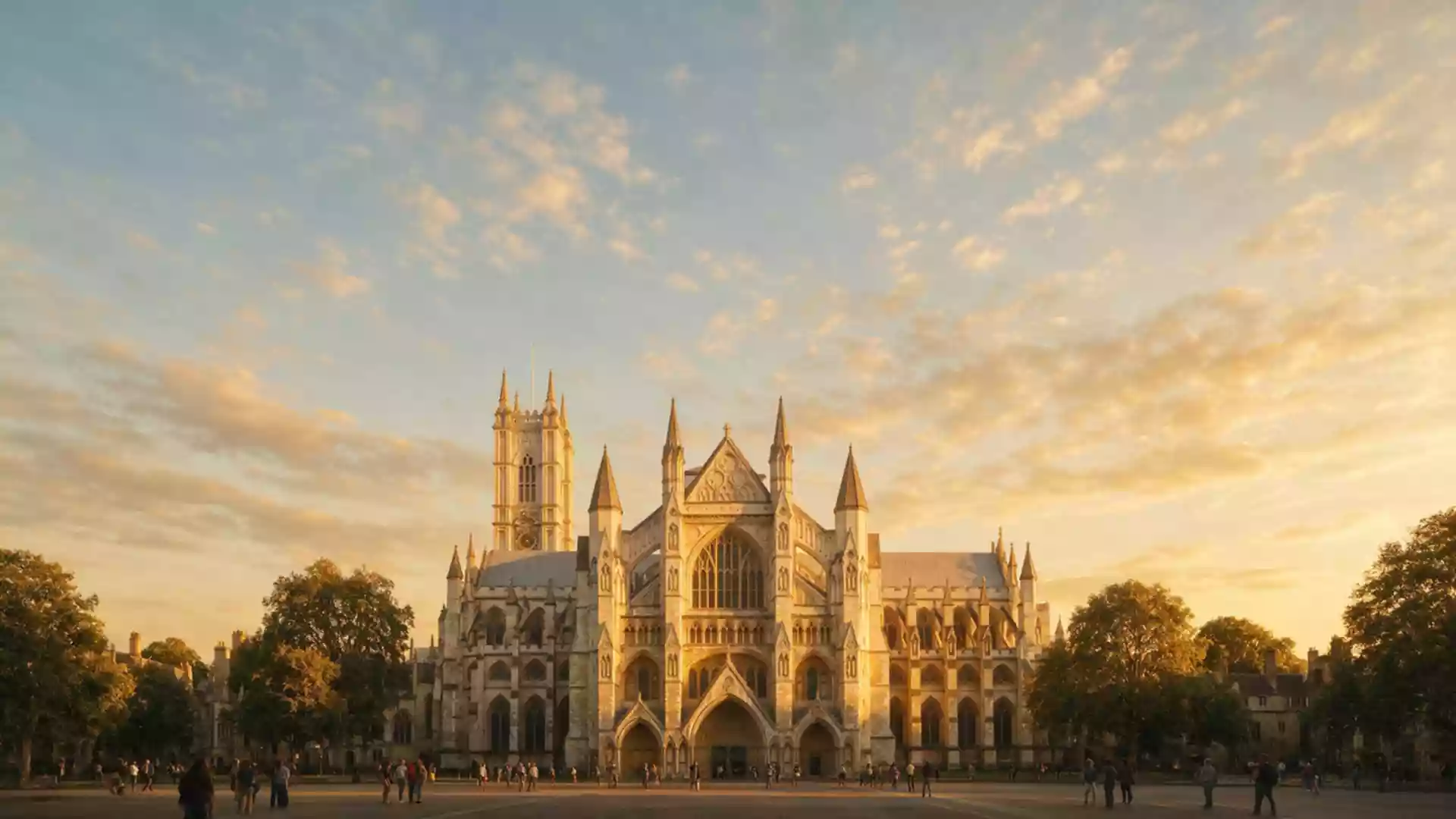
Westminster Abbey reveals sarcophagus findings on 21 October
Published on 10/24/2026 at 14:01 | Editorial responsibility: Rafael Müller, Editor-in-Chief AD HOC NEWSRoman burial mystery explained
- Westminster Abbey published its research findings on 21 October 2026.
- Radiocarbon dating placed the skeleton between 987 and 1052 AD.
- The Queen's Diamond Jubilee Galleries now display the sarcophagus permanently.
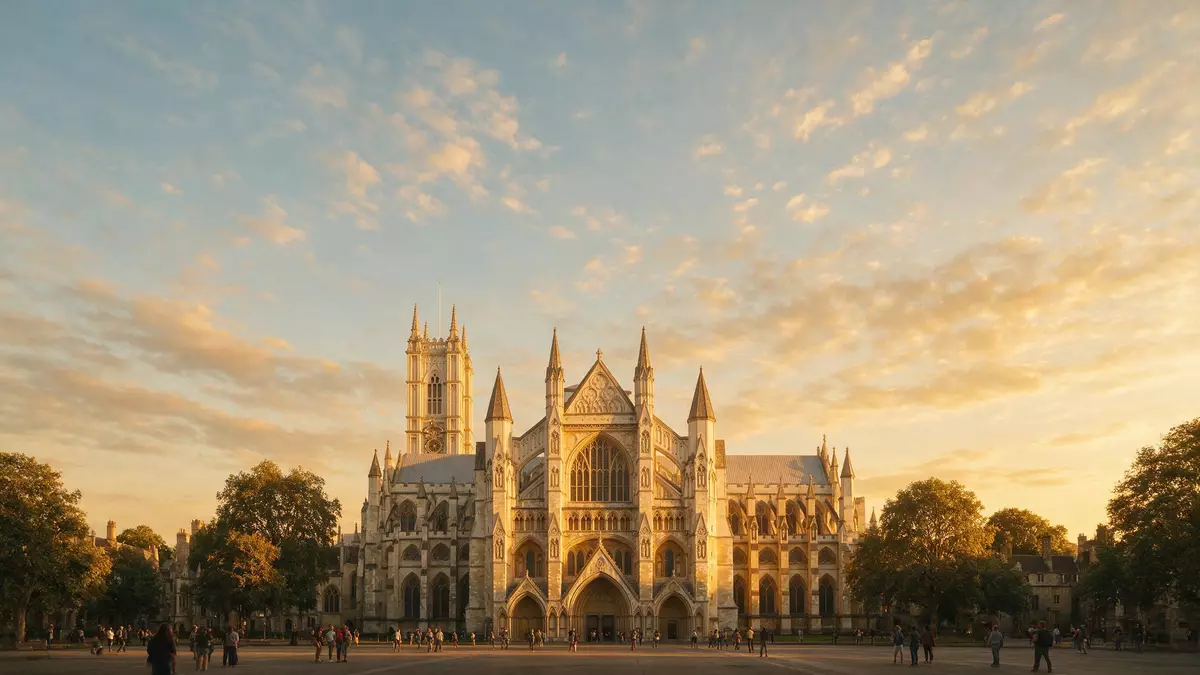
Westminster Abbey published new research about a Roman sarcophagus on 21 October 2026, reopening a centuries-old question about the skeleton found inside it. The discovery concerns a permanent museum display in London, where archaeological evidence now points towards a high-ranking medieval monk rather than the Roman man named on the coffin.
New research revisits a Roman sarcophagus
The limestone coffin was excavated on the North Green in 1869. Its inscription refers to Valerius Amandinus, a wealthy Briton who lived in the city around 300 to 400 AD, while a Latin cross carved into the lid belongs to the tenth or eleventh century.
The Abbey's consultant archaeologist, Professor Warwick Rodwell, says the skeleton most likely belonged to Aelfwig, an abbot of the medieval Benedictine monastery who died around 1020. Wulnoth, Aelfwig's successor, remains another possible identity because he died in 1049 and is also believed to have been buried at the site. The Abbey's research findings leave the identification open rather than presenting it as certain.
What the coffin reveals about the medieval church
Analysis by human bone specialist James Young Langthorne placed the deceased's age between 35 and 49 years. The man was around 5 ft 9 ins tall, according to the Abbey's account, while radiocarbon dating placed the remains between 987 and 1052 AD.
Those results show that the Roman sarcophagus was reused during the late Saxon period. A wooden coffin was placed inside the older stone container, and the lid was recarved with a large cross, connecting a Roman object with the medieval religious community at Westminster.
The evidence also explains why the coffin has attracted renewed attention. Its inscription identifies an earlier Roman occupant, but the later cross, the radiocarbon range and the status suggested by the burial point to a senior churchman. A detailed account in Smithsonian magazine's report describes the coffin's Roman inscription, medieval alteration and later movements within the church.
Visiting Westminster Abbey: what travellers from Western Europe should know
- The current news peg is the research published by Westminster Abbey on 21 October 2026 about the skeleton in the Roman sarcophagus.
- The sarcophagus is on permanent display in the Queen's Diamond Jubilee Galleries, so visitors can see the inscription and the later cross as part of the museum presentation.
- The coffin was excavated on the North Green in 1869, but its present public display is inside the Queen's Diamond Jubilee Galleries at Westminster Abbey in London.
- The historical evidence does not establish whether the occupant was Aelfwig or Wulnoth; both were connected with the medieval Benedictine monastery.
Searching for Westminster Abbey on social platforms
These links open searches for Westminster Abbey on each platform.
Frequently asked questions about Westminster Abbey
What was announced at Westminster Abbey on 21 October 2026?
New research identified Aelfwig as the most likely occupant of a skeleton found in a Roman sarcophagus, while leaving Wulnoth as another possibility.
Where can visitors see the Roman sarcophagus?
It is on permanent display in the Queen's Diamond Jubilee Galleries at Westminster Abbey in London.
What did the research date to 987-1052 AD?
Radiocarbon testing placed the skeleton within that period, indicating that the Roman coffin was reused during the late Saxon period.