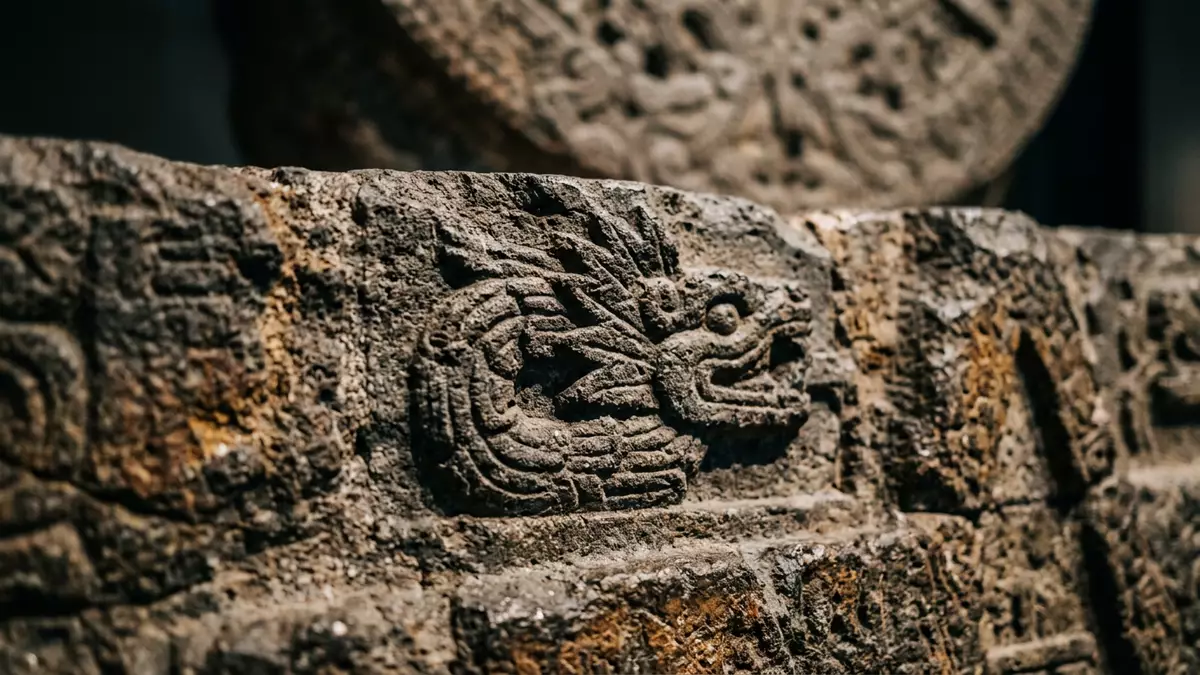
Zocalo, Mexiko-Stadt’s great ceremonial square
Published on 08/06/2026 at 20:08 | Editorial responsibility: Rafael Müller, Editor-in-Chief AD HOC NEWS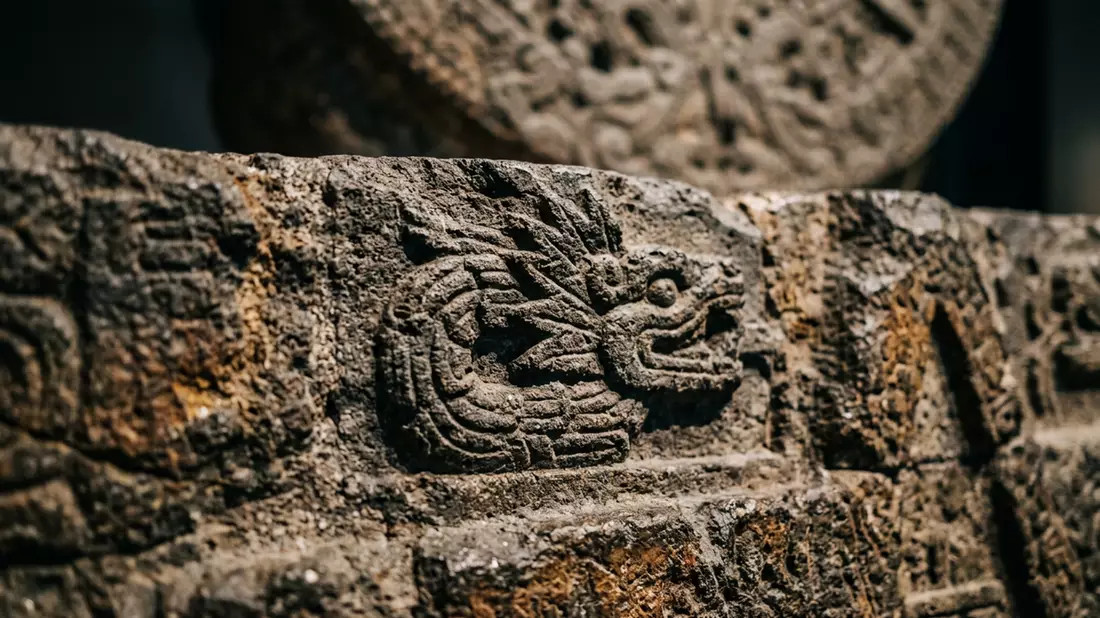
Zocalo is the grand central square of Mexiko-Stadt, a place where Aztec Tenochtitlan, Spanish colonial power and the modern Mexican capital all meet in one open expanse. The square’s formal name is Plaza de la Constitución, and it has served as the city’s main civic space since the sixteenth century under the rule of Charles V of the Habsburg dynasty. For visitors from Western Europe, Zocalo offers a direct encounter with the scale of Mexico City’s history, framed by monumental stone façades and the outline of ancient temples just below the surface.
A vast stone stage for Mexican history
The defining impression of Zocalo is its sheer size: an almost uninterrupted paved rectangle enclosed by heavy masonry buildings and arcaded streets. On one side stands the Metropolitan Cathedral of the Assumption of the Most Blessed Virgin Mary, a massive baroque and neoclassical structure whose construction began in the late sixteenth century and continued into the eighteenth century. Its towers, sculpted portals and dark volcanic stone anchor the square visually and give a sense of how long this space has been the ceremonial heart of the city.
Opposite the cathedral stretches the long façade of the National Palace, the seat of the federal executive and a building that incorporates parts of the palace of Moctezuma II, the Aztec ruler encountered by Hernán Cortés in 1519. The palace, largely rebuilt in the colonial period and later reworked in the nineteenth and twentieth centuries, presents a continuous line of red tezontle stone and courtyards behind a series of gateways. Inside, one of its staircases carries famous murals painted by Diego Rivera in the 1920s and 1930s, which depict the sweep of Mexican history from pre-Hispanic times through the Mexican War of Independence of 1810 and the Mexican Revolution of 1910.
From Aztec sacred precinct to colonial plaza
The location of Zocalo corresponds to the central ceremonial precinct of Tenochtitlan, the Aztec capital founded in the fourteenth century on an island in Lake Texcoco. This precinct contained temples, palaces and ritual platforms, including the Templo Mayor, the main pyramid dedicated to the gods Huitzilopochtli and Tlaloc. After the Spanish conquest in 1521, the colonial authorities reorganised this core of the city according to Spanish urban practice, establishing a grid of streets and a rectangular main square, which became the Plaza Mayor and later Plaza de la Constitución.
Excavations in the twentieth century uncovered substantial remains of the Templo Mayor just off one edge of Zocalo, and the Templo Mayor Museum now presents carved stone reliefs, offerings and fragments of the pyramid platform. Walking across Zocalo, visitors stand only a short distance from these ruins, and the contrast between the low archaeological remains and the vast cathedral and palace around the square makes the layering of cultures very tangible. The square has also been a focal point for civic life since the colonial period, hosting religious processions, proclamations of independence in the early nineteenth century and large-scale gatherings linked to national holidays.
Daily life on the square
Although the buildings around Zocalo carry the weight of centuries, the square also functions as an everyday urban space for residents of Mexiko-Stadt. The paving leaves a generous open centre, with traffic kept to the perimeter streets and several approaches for pedestrians from the surrounding historic centre. On the edges of the square, arcaded buildings house shops, cafés, hotels and administrative offices, with balconies overlooking the open space and giving views across to the cathedral towers and the palace roofline.
A large flag of Mexico usually flies from a tall mast near the centre of the square, its green, white and red bands visible from many points in the surrounding streets. Around the edges, you often encounter informal vendors, shoe shiners and street performers, particularly near the cathedral steps and the approaches from busy shopping streets such as Avenida Francisco I. Madero. For many visitors, a simple circuit of Zocalo on foot, pausing at different corners to look back across the paving towards the cathedral, palace and the distant skyscrapers of the modern city, gives a clear sense of how Mexiko-Stadt has grown around this historic core.
Visiting Zocalo: what travellers from Western Europe should know
- Zocalo lies in the historic centre of Mexiko-Stadt in central Mexico, and visitors reach it by road and by the city’s public transport system.
- Admission arrangements and opening hours are set by the site’s operator and change with the season; the official website is the only binding source.
- Many travellers favour the cooler hours of morning or late afternoon for exploring Zocalo, when the light on the cathedral and palace façades can be particularly striking.
- The square itself is broadly level, but the surrounding streets can be busy, and visits to the cathedral or nearby archaeological sites may involve steps and uneven surfaces; restrictions may apply on site.
- Spanish is the main language in Mexiko-Stadt, though staff in larger hotels and some museums speak English, and payment is generally made in Mexican pesos, with cards accepted in many formal establishments.
- Entry requirements depend on your nationality. UK travellers should check the FCDO travel advice at gov.uk/foreign-travel-advice; Irish travellers the Department of Foreign Affairs at ireland.ie; EU and EEA citizens their own national foreign ministry.
Searching for Zocalo on social platforms
These links open searches for Zocalo on each platform.Frequently asked questions about Zocalo
Where is Zocalo and how do I get there?
Zocalo is the main square of Mexiko-Stadt in central Mexico, surrounded by the Metropolitan Cathedral, the National Palace and historic streets of the old city.
What should I expect when visiting Zocalo?
Expect a vast paved square framed by monumental colonial buildings, close to the Templo Mayor archaeological site and busy commercial streets, with dense urban life around you.
What makes Zocalo distinctive among city squares?
Zocalo stands on the site of the Aztec ceremonial centre of Tenochtitlan and combines visible remains of that world with the cathedral, National Palace and Diego Rivera’s historical murals.